
Introduction
Businesses today communicate with customers through websites, social media, email campaigns, and digital advertisements. Across all of these channels, one factor consistently influences success: the ability to present information in a clear and engaging way. As online audiences become busier and attention spans grow shorter, visual media has become an essential communication tool.
Images, videos, animations, and graphics help businesses explain ideas quickly while making content more memorable. When used strategically, visual media not only captures attention but also improves customer understanding, strengthens trust, and encourages meaningful engagement.
Why Visual Media Captures Attention
The human brain processes visual information much faster than written text. This allows customers to absorb key messages almost instantly, making visual media especially valuable in digital environments where users often scan content rather than read every word.
A well-designed image or short video can communicate product benefits, demonstrate features, or highlight customer success stories within seconds. This efficiency makes visual media an effective tool for attracting and retaining audience attention.
Brands that prioritize strong visuals often experience better engagement because their content stands out in crowded digital spaces.
Making Complex Information Easier to Understand
Many businesses offer products or services that involve technical details or complicated processes. Visual media helps simplify these concepts by presenting information in a way that is easier to follow.
For example, software companies often use screen recordings to explain product features, while healthcare organizations may rely on illustrations to explain medical procedures. Financial institutions frequently use charts and infographics to make data easier to interpret.
Instead of overwhelming customers with lengthy explanations, visuals break information into manageable pieces that are easier to remember.
Building Trust Through Authentic Visuals
Customers are more likely to trust businesses that show real products, real people, and authentic experiences. Professional photography, demonstration videos, and customer-generated content all contribute to stronger credibility.
When shoppers can see products from multiple angles or watch them in use, they feel more confident in their purchasing decisions. Likewise, testimonials supported by photos or videos often appear more genuine than text alone.
Visual transparency reduces uncertainty and helps businesses establish lasting relationships with their audiences.
Increasing Engagement Across Digital Channels
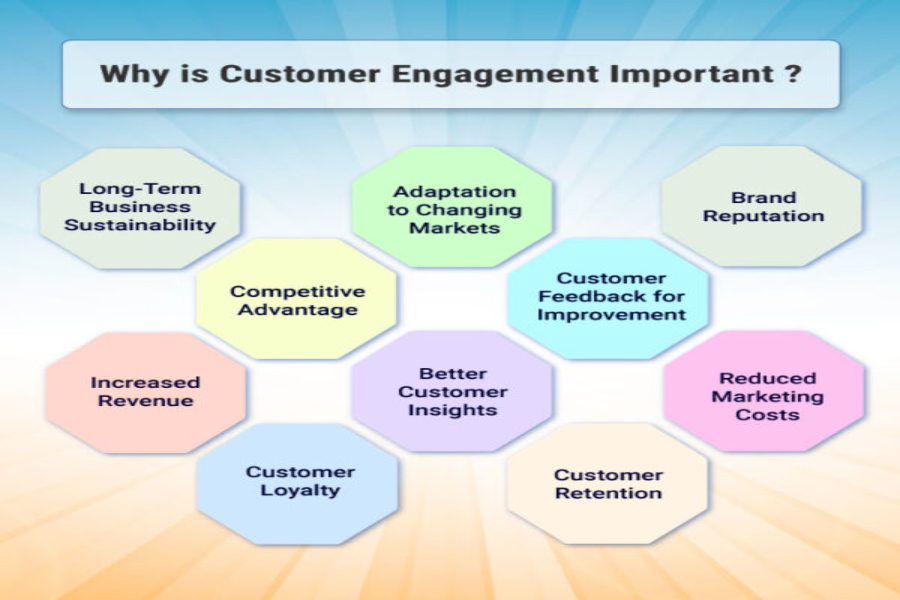
Visual media naturally encourages higher levels of interaction than text-based content. People are more likely to pause while scrolling, watch a short video, or share an interesting graphic than they are to engage with long paragraphs.
Types of visual content that encourage engagement
- Product demonstration videos
- Infographics explaining key concepts
- Customer success stories with photos
- Behind-the-scenes content
- Educational animations
Each of these formats invites audiences to spend more time interacting with content, increasing opportunities for brands to communicate their message.
Supporting Every Stage of the Customer Journey
Visual media provides value throughout the customer journey, from initial awareness to post-purchase support.
Early in the buying process, engaging visuals introduce the brand and generate interest. During product evaluation, demonstration videos and comparison graphics help customers make informed decisions. After a purchase, tutorial videos and visual guides improve the customer experience by helping users get the most from their products.
This continuous support strengthens customer satisfaction and encourages long-term loyalty.
Repurposing Visual Content Efficiently
Creating high-quality visual content requires time and resources, so businesses benefit from repurposing existing assets across multiple channels.
A product demonstration can become a series of social media clips, while a webinar may be transformed into educational graphics or email content. This strategy increases the value of each asset while maintaining consistent messaging.
Some marketing teams also use a GIF converter to transform short video highlights into looping animations that work well in newsletters, landing pages, and social media campaigns.
Repurposing content allows businesses to maintain an active marketing presence without constantly producing entirely new materials.
Using Visual Storytelling to Create Emotional Connections
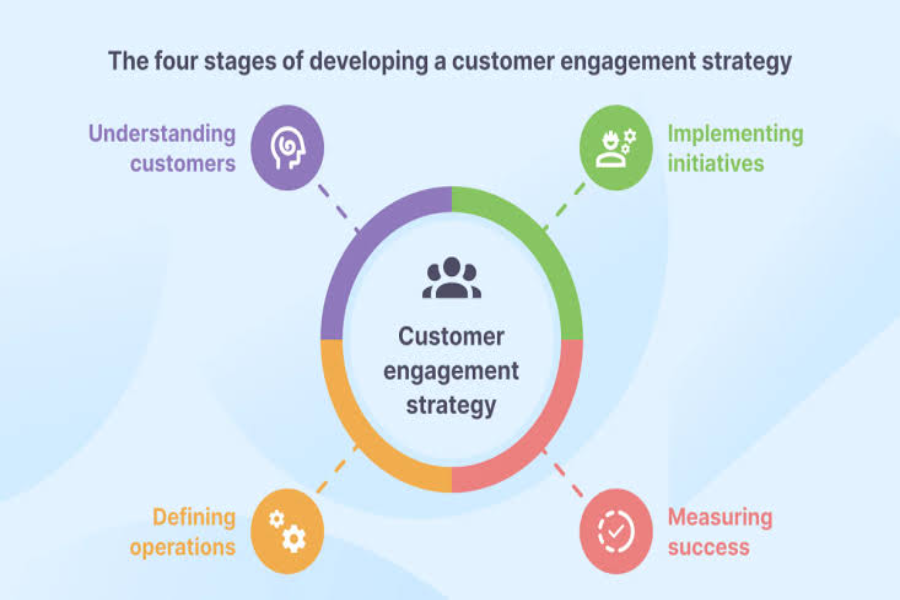
Facts and product features are important, but stories help customers build emotional connections with brands. Visual storytelling combines imagery with narrative to create memorable experiences that resonate with audiences.
For example, instead of simply promoting outdoor equipment, a company might share photos and videos of customers enjoying memorable adventures. This approach shifts attention from the product itself to the experiences it helps create.
When customers see themselves reflected in these stories, they are more likely to engage with the brand and remember its message.
Measuring the Success of Visual Media
Like any marketing strategy, visual media should be evaluated using measurable results. Businesses can track performance through engagement rates, video completion rates, click-through rates, social shares, and conversion metrics.
Metrics worth monitoring
- Average watch time
- Click-through rate
- Social media shares
- Customer engagement rate
- Conversion rate
Analyzing these metrics helps businesses identify which visual formats resonate most with their audience and where improvements can be made.
Over time, data-driven adjustments lead to more effective communication and stronger marketing performance.
Looking Ahead
Visual media continues to evolve as technology advances. Interactive graphics, augmented reality experiences, and artificial intelligence are creating new opportunities for businesses to communicate with customers in more engaging ways.
While new formats will continue to emerge, the core principle remains the same: people respond best to information that is clear, visually appealing, and easy to understand.
Read more: Can I Use My 401k to Buy a Business, How To Protect 7 Retirement Goals
Businesses that invest in thoughtful visual communication will be better prepared to adapt as customer expectations continue to evolve.
Conclusion
Visual media has become an essential part of modern customer communication. By simplifying complex information, building trust, encouraging engagement, and supporting customers throughout their journey, visuals help businesses create stronger relationships and improve overall marketing effectiveness. Companies that use visual media strategically will be well positioned to educate, engage, and inspire their audiences in an increasingly digital world.