
The word Hayawan is commonly used in Arabic and often sparks curiosity. People hear it in conversations, movies, or online and wonder about its true meaning. Some feel confused or even offended when they hear ya haywan, not knowing whether it’s playful, serious, or insulting. Understanding its context is key to using it correctly and avoiding misunderstandings.
In Arabic, hayawan literally means an animal or living being. The word can describe real animals, general life forms, or sometimes people informally. Its tone changes meaning: it can be neutral, educational, or even playful or insulting. Examples in sentences and everyday speech help show its use, so learners can grasp hayawan meaning in Arabic clearly and confidently.
The Meaning of “Hayawan” in Arabic
The meaning of Hayawan in Arabic is simple yet interesting. Literally, it refers to an animal or any living being. People often hear it in daily conversations or stories and wonder if it’s an insult or just a descriptive word. Context and tone are very important to understand the intended meaning properly.
In some cases, hayawan can describe animals, nature, or living creatures in general. Sometimes, it is used informally to tease someone, as in ya haywan, which can be playful or harsh. Learning examples and proper usage helps anyone understand hayawan meaning Arabic accurately and avoid mistakes in conversations or writing.
Linguistic Root and Grammatical Usage
Have you ever noticed how some Arabic words carry a hidden story inside them? Hayawan is one of those words. Its root, ح ي و (ḥ-y-w), connects directly to life and living things. Once you understand the root, you start seeing patterns across many words in Arabic, making vocabulary much easier to remember.
In addition to the root, grammar plays a big role in how hayawan is used. Knowing singular and plural forms, sentence placement, and verb agreement makes your Arabic sound natural. Here’s a breakdown that makes it simple and practical:
Singular vs. Plural Forms:
The singular is hayawan, meaning one animal or living being. The plural is hayawānāt, which refers to multiple animals. Using the correct form ensures clarity whether you’re talking about a pet or a group of creatures.
Root Significance:
The root ح ي و appears in other words related to life, vitality, and living beings. Recognizing this helps learners predict meanings of new words, like hayy (alive) or hayah (life). It’s like finding hidden connections in a puzzle.
Sentence Placement:
Hayawan can appear as the subject, object, or part of descriptive phrases. For example, “Al-kalb hayawan sadīq” means “The dog is a friendly animal.” Knowing where it fits in a sentence improves both speaking and writing.
Cultural and Contextual Usage:
Beyond grammar, hayawan can be playful or formal. In casual speech, phrases like ya haywan can tease friends. In books or Quranic texts, it describes creation or lessons from nature. Understanding context avoids mistakes and adds depth to learning.
Pronunciation and Learning Tips:
Pronounce it as ḥayawan, with emphasis on the first syllable. Listening to native speakers, repeating sentences, and writing examples strengthens memory and ensures proper usage in real conversations.
By exploring the root and grammar of hayawan, you’re not just learning a word—you’re unlocking a piece of Arabic’s structure and culture. Once you understand it, reading, speaking, and writing about animals and living beings becomes smoother, richer, and more meaningful
Examples of Usage:
The word Hayawan is used in Arabic to describe animals, living beings, or even people in informal speech. Seeing how it appears in sentences helps learners understand hayawan meaning in Arabic clearly.
In daily life and literature, the way hayawan is used can change based on context. The interpretation may vary depending on the situation:
- Describing real animals: For example, “Al-qitt hayawan” means “The cat is an animal,” which is a neutral and factual usage.
- Referring to multiple creatures: Using the plural hayawānāt helps talk about groups of animals, like in educational texts or nature descriptions.
- Playful or teasing expressions: In casual speech, ya haywan can be used jokingly with friends, but it may seem insulting if said in the wrong tone.
- Religious or literary context: In the Quran or classical texts, hayawan emphasizes creation and balance in nature, giving it a more serious or symbolic meaning.
- Teaching and learning tools: Teachers often use hayawan in Arabic sentences to introduce vocabulary related to life, animals, and culture, helping learners remember words naturally.
These examples show the flexibility of hayawan Arabic meaning. Understanding when and how to use it ensures clear communication, whether in conversation, writing, or reading classical texts.
Grammatical Table:
Understanding the grammar of Hayawan is essential for using it correctly in Arabic. Knowing its singular and plural forms, adjective agreement, verb usage, and sentence placement ensures you communicate clearly and naturally. Whether you’re speaking, writing, or reading, mastering these rules helps avoid confusion and makes your Arabic sound more fluent.
| Aspect | Example | Explanation |
| Singular Form | hayawan | Refers to one animal or living being. |
| Plural Form | hayawānāt | Refers to multiple animals or living beings. |
| Adjective Agreement | hayawan sadīq | Adjectives must match singular or plural form. |
| Verb Usage | al-kalb yākul | Verbs must agree with the subject or animal in the sentence. |
| Subject Placement | hayawan yarkud | Can appear at the beginning of a sentence. |
| Object Placement | ra’aytu hayawan | Can follow verbs when describing or observing. |
| Formal vs. Casual Context | ya haywan / al-hayawan | Adjust usage depending on speech, writing, or tone. |
Examples of “Hayawan” in Arabic Sentences
Using Hayawan in sentences helps learners understand its meaning and usage. For example, you can say: “Al-qitt hayawan,” which means “The cat is an animal.” Such sentences show how the word describes real creatures clearly and simply, making it easy to remember for beginners.
It can also appear in casual speech or expressions. For instance, ya haywan is sometimes used playfully or jokingly among friends. Seeing Hayawan in different sentence examples helps learners recognize its tone, context, and grammar, so they can use it confidently in both writing and speaking in Arabic.
Common Sentences:
In Arabic, Hayawan appears in many everyday sentences. For example, “Al-kalb hayawan sadīq” means “The dog is a friendly animal.” Such sentences help learners connect the word to real-life situations and understand its simple, literal meaning. Using it this way makes learning vocabulary easier and more practical.
Sometimes, hayawan is used in casual speech to tease or express frustration, like saying ya haywan jokingly. Observing these common sentences helps learners understand tone, context, and cultural usage. Practicing these examples improves both speaking and writing skills, making it easier to communicate naturally in Arabic.
Types of Hayawan (Animals)
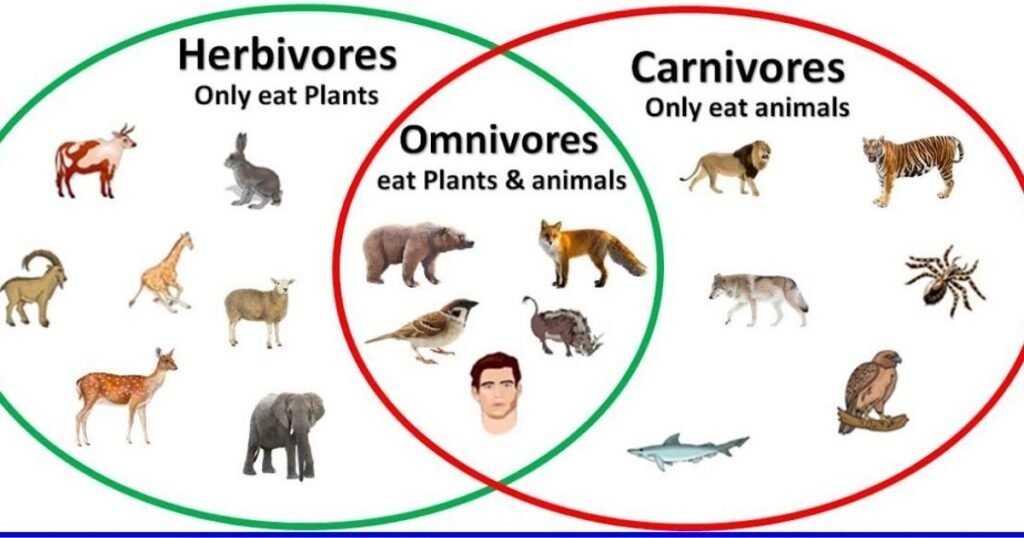
Have you ever noticed how rich the word Hayawan is in Arabic? It doesn’t just mean “animal” in a general sense it opens a window into the variety of creatures around us. From pets to wild animals, hayawan meaning in Arabic covers all living beings, and understanding these types makes learning vocabulary much more vivid and practical.
Think of it like organizing your own little zoo in words. Once you know the categories, it’s easier to describe, compare, and talk about animals in daily conversations, stories, or lessons. Here are the main types of hayawan you should know:
Domestic Animals:
These include pets like cats, dogs, and birds kept at home. Knowing these helps when describing everyday life and simple conversations with family or friends.
Farm Animals:
Animals such as cows, goats, chickens, and camels fall in this group. They appear frequently in lessons, stories, and cultural references, especially in traditional Arabic settings.
Wild Animals:
Creatures like lions, tigers, elephants, and wolves are considered wild hayawan. Learning their names in Arabic also teaches traits like strength, agility, or cunning, which often appear in proverbs or stories.
Aquatic Animals:
Fish, turtles, and other sea creatures are part of this category. Including them expands your vocabulary beyond land animals and shows the breadth of life in Arabic texts.
Insects and Small Creatures:
Bees, ants, and butterflies are also hayawan. Although small, they have symbolic importance in literature, teaching lessons about diligence, community, or transformation.
Understanding these types of hayawan gives learners a full picture of living creatures in Arabic. It not only builds vocabulary but also helps you grasp cultural, educational, and literary references naturally. Once you recognize these categories, describing animals becomes simple, accurate, and fun.
Cultural or Quranic Significance of “Hayawan”

The word Hayawan holds cultural and Quranic importance in Arabic. It is used to describe living creatures and sometimes appears in religious texts, reflecting both natural life and moral lessons. Understanding this usage helps learners grasp the broader meaning of hayawan meaning in Arabic.
The interpretation may vary depending on the situation:
- In the Quran, hayawan often refers to animals as part of creation, emphasizing God’s wisdom and the balance in nature.
- Some cultural contexts use hayawan to symbolize certain traits, such as strength, loyalty, or instinct.
- Informally, ya haywan can appear as a mild insult or playful teasing, showing the word’s flexible tone in social speech.
- Learning hayawan in Arabic sentences highlights both its educational and cultural value, helping students understand daily conversations and classical texts.
- In modern Arabic, it can also appear in idioms or expressions, linking animals to human behavior or moral lessons.
This approach balances the religious, cultural, and linguistic perspectives, giving learners a complete view of hayawan Arabic meaning in context.
Common Misunderstandings or Mistakes
It’s easy to see why learners sometimes get confused with Hayawan. At first glance, it seems simple it just means “animal.” But in Arabic, the word can change meaning depending on context, tone, or cultural usage. Misunderstandings often happen when someone uses it in casual speech, literature, or even religious texts without knowing the nuance.
Think of it like learning a word in English that can be both literal and figurative. Without context, you might misinterpret it completely. Here are some common mistakes to watch out for:
Using “ya haywan” incorrectly:
Many think it’s always an insult. While it can be teasing or playful among friends, saying it in the wrong tone or context can offend someone.
Mixing singular and plural forms:
Learners often forget the plural hayawānāt. Saying “hayawan” when talking about multiple animals can sound awkward or grammatically wrong.
Assuming it only refers to wild animals:
Some learners believe hayawan only applies to lions, tigers, or other wildlife. In reality, it also includes pets, farm animals, and even small creatures.
Ignoring cultural context:
In literature, proverbs, or Quranic texts, hayawan may carry symbolic meaning, like representing traits or moral lessons. Treating it purely literally can miss the deeper message.
Pronunciation errors:
Mispronouncing ḥayawan changes the word’s clarity. Even slight mistakes can confuse listeners or make the speaker sound less fluent.
By recognizing these common pitfalls, learners can use hayawan meaning in Arabic more confidently. Paying attention to context, tone, and grammar ensures your conversations, reading, and writing are accurate, natural, and culturally aware.
You May Also Like; Nice Meaning
Correct Usage Tips:
Using Hayawan correctly in Arabic ensures your speech and writing are clear, accurate, and culturally appropriate. While it primarily means “animal” or “living being,” tone, context, and grammar make a big difference in how it’s understood.
The interpretation may vary depending on the situation:
- Use the word literally for animals: When describing pets, farm animals, or wildlife, hayawan works as a neutral, factual term in sentences like “Al-qitt hayawan” (“The cat is an animal”).
- Be cautious with informal expressions: Phrases like ya haywan can be playful among friends but may sound rude or offensive in formal or unfamiliar settings.
- Mind singular and plural forms: The singular is hayawan, and the plural is hayawānāt. Using the correct form avoids grammatical errors and confusion in both writing and speech.
- Match adjectives and verbs properly: When using hayawan in sentences, ensure adjectives and verbs agree with singular or plural forms for natural, accurate phrasing.
- Consider cultural and literary contexts: In Quranic or classical Arabic texts, hayawan may carry symbolic or moral significance. Understanding this adds depth and prevents misinterpretation.
By following these tips, learners can use hayawan meaning in Arabic confidently in casual conversations, literature, or formal writing. Proper usage also improves understanding of cultural nuances and enhances communication overall.
Why You Should Learn “Hayawan”
Have you ever wondered why some Arabic words feel so alive? Hayawan is one of those words. At first, it seems simple it just means “animal” or “living being.” But learning it opens doors to understanding culture, language patterns, and even everyday conversations in Arabic.
Think of hayawan as a bridge between words and real life. Knowing it helps you read stories, follow lessons, or even understand playful expressions like ya haywan. Once you grasp it, you notice the word popping up everywhere from books to conversations to religious texts. Here’s why learning it is worth your time:
Connect with real-life Arabic:
Understanding hayawan helps you talk about animals, nature, and living creatures naturally. You can describe pets, wild animals, or even general life forms with confidence.
Understand cultural expressions:
Words like ya haywan appear in jokes, teasing, or everyday speech. Knowing the tone and context prevents misunderstandings and lets you join conversations smoothly.
Learn grammar and roots easily:
Hayawan comes from the Arabic root ح ي و (ḥ-y-w). Studying it helps you spot patterns in other words and improves reading and writing skills.
Gain insights from religious and classical texts:
In the Quran and classical Arabic, hayawan illustrates the balance of nature and moral lessons. Understanding these examples adds depth to your learning.
Enhance vocabulary retention:
Using hayawan in sentences, stories, or examples sticks better than memorizing isolated words. It becomes a practical tool, not just another term on a list.
Learning hayawan isn’t just about knowing a word it’s about connecting language, culture, and everyday life. Once you get it, you’ll see Arabic in a richer, more meaningful way.
Frequently Asked Questions
Is Hayawan used in the Quran?
Yes, Hayawan Meaning appears in the Quran to describe animals and living beings. It highlights the balance of creation and teaches lessons about life naturally.
What is the plural of Hayawan in Arabic?
The plural form of Hayawan Meaning is hayawānāt. Using it correctly helps learners talk about multiple animals or living creatures clearly in sentences and stories.
How to pronounce Hayawan in Arabic correctly?
The correct pronunciation of Hayawan Meaning is ḥayawan, with emphasis on the first syllable. Practicing helps learners speak clearly and understand conversations naturally.
What is the root of Hayawan Meaning in Arabic?
The root of Hayawan Meaning is ح ي و. Knowing this root connects it to words about life, living beings, and related vocabulary in Arabic.
Why is it important to learn Hayawan Meaning in Arabic?
Learning Hayawan Meaning improves vocabulary, grammar, and cultural understanding. It helps learners talk about animals, nature, and life clearly in both formal and casual Arabic.
Conclusion
Learning about hayawan meaning opens the door to understanding animals and living beings in Arabic. The word is simple, yet it appears in many situations. You can use it for pets, farm animals, wild animals, and even small creatures. It also shows up in everyday conversations, stories, and cultural or religious texts.
Knowing the correct usage helps avoid mistakes. You can easily switch between singular hayawan and plural hayawānāt, and understand phrases like ya haywan in casual speech. Practicing sentences, listening to native speakers, and reading examples makes learning easier. Understanding this word improves vocabulary, grammar, and cultural awareness. Overall, hayawan meaning is an essential part of Arabic that every learner must know for clear, confident communication in both casual and formal contexts.