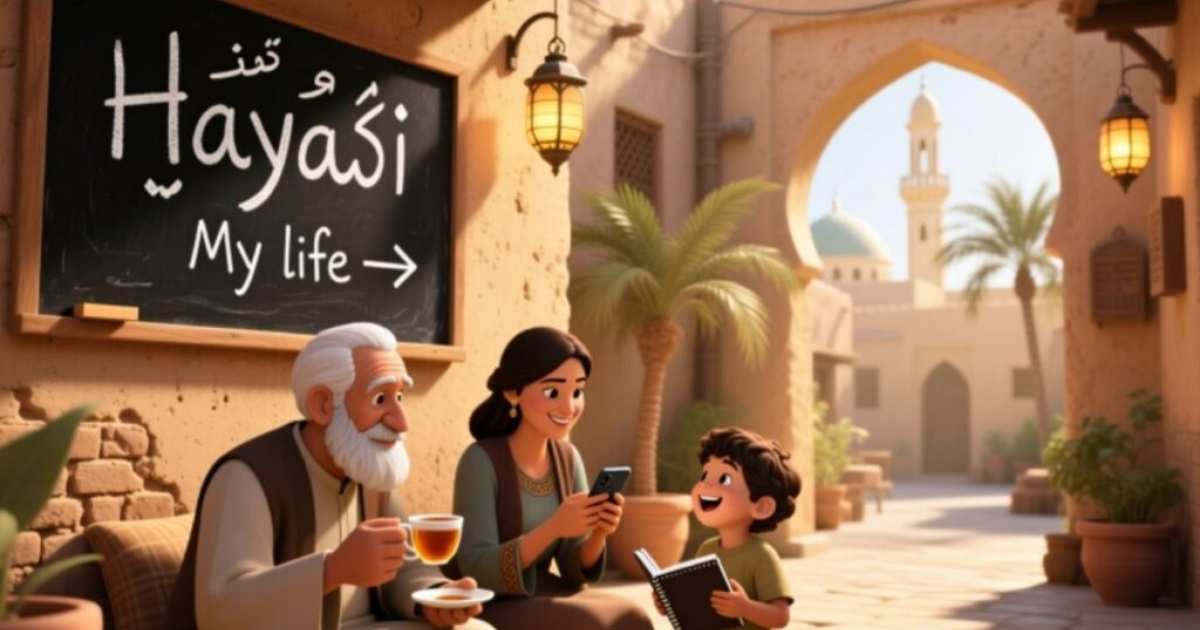
If you’ve ever come across the phrase Hayati and paused, wondering what it really means, you’re not alone. A lot of people search for Hayati Meaning after seeing it in a message, song, or romantic quote and feeling like something emotional is hiding behind the word. It sounds deep and personal, but the exact meaning isn’t always clear at first, which can be a little frustrating.
In this blog post, we’ll break down the Hayati Meaning in a clear, simple way, including how it’s used in real life and why it feels so emotional. We’ll also explain the intahayati meaning, so you understand the phrase fully and confidently. By the end, you’ll know exactly what it means, when to use it, and why it connects so strongly with people.
What Does “Hayati” Actually Mean?
Hayati is an Arabic word that means “my life.” It comes from hayat, which means “life,” combined with a possessive form that makes it personal. When someone says Hayati, they are calling another person their life, not literally, but emotionally. It shows deep love, attachment, and importance, not casual liking or friendliness.
In everyday use, Hayati is a strong term of endearment. For example, someone may call their partner Hayati to express love and emotional closeness. You’ll often hear Ya Hayati, which means “oh my life,” in romantic messages or songs. It’s commonly used with people who truly matter, like a lover or close family member.
The Meaning of “Hayati” in Arabic
In Arabic, Hayati means “my life”, and it carries deep emotional meaning. The word comes from hayat, which means life, combined with a possessive ending that makes it personal. When someone uses Hayati, they are saying that the person they’re addressing is extremely important to them, emotionally central, and deeply valued in their life.
Arabic speakers use Hayati as a strong term of affection, not a light or playful phrase. It is most commonly said to a romantic partner, spouse, or someone very close. The word expresses love, care, and emotional attachment. Because of its intensity, it’s usually reserved for meaningful relationships, not casual conversations or strangers.
You May Also Like;Nice Meaning
Linguistic Root and Grammatical Usage
At first glance, Hayati sounds poetic, almost musical. That feeling isn’t accidental. The emotion behind the word comes directly from how Arabic builds meaning through roots and grammar, not just vocabulary.
In simple terms, Hayati is powerful because of how it’s constructed. Arabic words often grow from a small set of root letters, and those roots carry the soul of the meaning. In this case, the structure turns an ordinary word for life into something deeply personal and affectionate, especially in everyday conversation.
Here’s how it works in a natural, human way:
Root based meaning:
Hayati comes from the Arabic root H Y A, which is connected to life, living, and vitality. This root appears in many Arabic words related to existence and breath. That’s why Hayati feels alive and emotional rather than flat or technical.
The possessive ending:
The “ i” at the end is an Arabic possessive suffix that means “my.” So grammatically, Hayati translates to “my life.” It’s similar to how English speakers say “my heart” when talking to someone they love.
Direct address in speech:
Grammatically, Hayati is often used when speaking directly to someone. It functions almost like a name or nickname. This makes it sound intimate, especially when paired with ya (as in Ya Hayati).
Emotional weight vs literal meaning:
While the grammar is clear, the meaning shifts with tone and context. Used sincerely, it shows deep affection. Used casually or too often, it can feel dramatic or insincere, depending on the relationship.
A simple takeaway? The beauty of Hayati comes from how Arabic grammar turns a basic word into an emotional message. It’s a small word built from deep linguistic roots, and that’s exactly why it carries so much feeling when people use it.
How Possession Works in Arabic
Arabic shows ownership by attaching small endings to words instead of using separate words like “my” or “your.” These endings change meaning based on who is being referred to.
- Ownership is shown by adding a suffix directly to the noun
- The ending changes for I, you, he, or she
- One word can replace a full phrase
- Context helps clarify who owns what
- Spoken Arabic uses this often in daily speech
- Tone can affect how personal it sounds
- The same rule applies to emotions and objects
Examples of “Hayati” in Arabic Sentences
Hayati is often used in short Arabic sentences to show affection, closeness, and care. These examples help you see how the word naturally fits everyday conversations between close people daily.
| # | Arabic Sentence | Simple Meaning |
| 1 | يا حياتي، كيف حالك؟ | My love, how are you? |
| 2 | اشتقت لك يا حياتي | I missed you, my dear |
| 3 | حياتي، انت مهم عندي | You matter to me, my life |
| 4 | تصبح على خير يا حياتي | Good night, my love |
| 5 | حياتي، انت تفهمني | You understand me |
| 6 | لا تقلق يا حياتي | Don’t worry, my dear |
| 7 | حياتي معك اجمل | Life is better with you |
The Expression “Ya Hayati” , A Closer Look
Ya Hayati is an Arabic expression that means “oh my life.” It is used when speaking directly to someone important. The word “ya” means “oh” or “hey,” and Hayati means “my life.” Together, the phrase becomes a deeply affectionate way to address someone you care about.
People use Ya Hayati to express love, concern, or emotional closeness. You may hear it during romantic conversations or caring moments. The phrase shows warmth and sincerity, not formality, and is usually reserved for people who truly matter emotionally.
Common Uses of Ya Hayati
Ya Hayati is used in everyday Arabic to show affection, care, or emotional closeness. The meaning changes slightly depending on tone, relationship, and the situation.
- Spoken during loving conversations
- Used to comfort someone emotionally
- Said when missing a person
- Common in romantic messages
- Used to calm or reassure
- Expresses warmth and care
- Reserved for close relationships
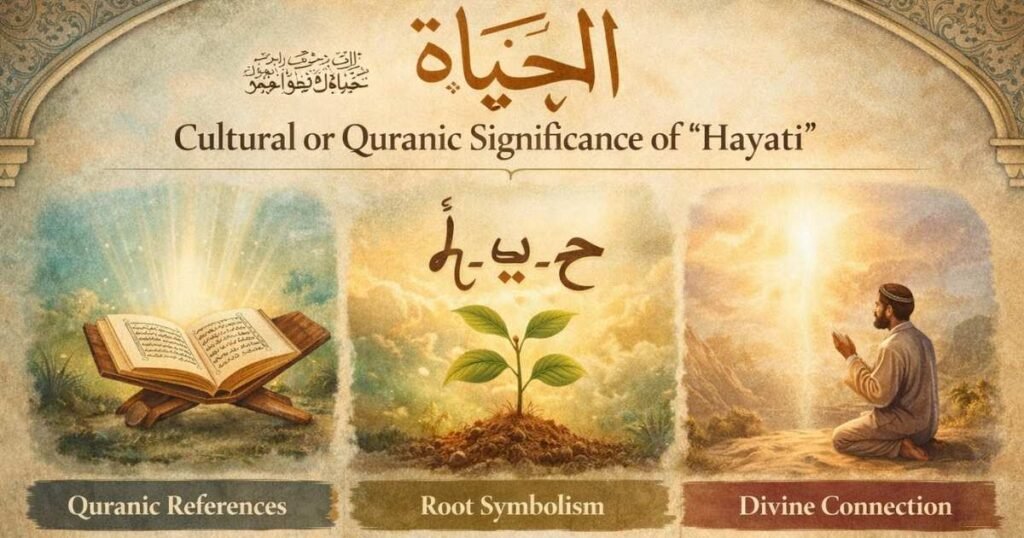
Cultural or Quranic Significance of “Hayati”
Some words carry feeling long before they carry meaning, and Hayati is one of them. Even when people don’t think about grammar or language rules, the word feels heavy with emotion and value the moment it’s spoken.
In Arabic culture, words connected to life are never casual. Hayati literally means “my life,” and that idea holds deep weight in both cultural thinking and religious understanding. While Hayati itself does not appear as a fixed phrase in the Quran, its root and meaning are closely tied to concepts that matter deeply in Islamic and Arab traditions.
Here’s why the word carries such strong cultural meaning:
Life is sacred in Islamic thought
The Arabic root H Y A relates to life, vitality, and existence. In the Quran, life is described as a gift and a trust. That’s why calling someone “my life” feels serious and meaningful, not playful or light.
Emotional language is valued in Arab culture
Arabic communication often uses expressive words to show care and closeness. Hayati fits naturally into this style. It’s similar to saying “you’re everything to me,” but with cultural depth behind it.
Common in poetry, songs, and storytelling
You’ll hear Hayati in Arabic love poems and music, where it represents devotion, longing, and emotional attachment. These artistic uses reinforce how romantic and powerful the word feels.
Used carefully, not casually
Because of its emotional weight, many speakers avoid using Hayati loosely. Saying it implies sincerity and depth. Using it without real feeling can sound exaggerated or insincere.
The takeaway is simple: Hayati isn’t just a sweet word. It reflects how Arabic culture and Islamic values view life itself as precious, meaningful, and deeply connected to love and responsibility.
Cultural Reflections
Hayati reflects how Arabic culture values emotional expression, closeness, and meaningful language. Words tied to life are treated with respect and used to show genuine care in relationships.
- Emotions are openly expressed
- Language carries deep feeling
- Life related words feel powerful
- Used to show strong bonds
- Common in family and romance
- Not said without meaning
- Reflects cultural warmth
Arabic vs. Urdu: Hayati Meaning in Urdu
In Arabic, Hayati means “my life,” but its emotional meaning goes far beyond a literal translation. The word comes from hayat, meaning life, and is used to show deep affection and attachment. Arabic speakers often say Hayati to someone very close, such as a romantic partner or family member, to express love, importance, and emotional closeness in a sincere way.
In Urdu, Hayati is borrowed from Arabic and carries a similar emotional feeling. Urdu speakers usually understand it as a romantic or poetic word rather than everyday speech. It may appear in poetry, songs, or heartfelt conversations. While the meaning stays loving and emotional, it is often used less frequently and more carefully than in Arabic.
Hayati Meaning Arabic Text
The Arabic text for Hayati is حياتي, and it comes from the root word حياة (hayat), which means life. When the possessive ending is added, the meaning becomes “my life.” In written Arabic, this form is short and simple, but it carries strong emotional value. It often reflects love, care, and deep personal attachment.
When people write حياتي in texts, poems, or messages, it usually shows affection and closeness. The word looks the same whether spoken by a man or a woman. Its emotional strength depends on context, tone, and relationship. In romantic or caring situations, it feels sincere and meaningful rather than casual or ordinary.
Hayati in Arabic for Male
When a man uses the word Hayati in Arabic, it usually shows strong affection and emotional attachment. He may say it to a romantic partner, spouse, or someone very close. The word means “my life” and suggests that the person holds great importance. It is not a casual term and often reflects sincere feelings and care.
Men also use Hayati in calm, private conversations rather than public settings. Tone matters a lot. When spoken gently, it feels loving and respectful. In serious relationships, a man saying Hayati often signals emotional commitment and trust rather than simple flirting or friendly speech.
Hayati Meaning Arabic from a Girl
When a girl says Hayati, it usually carries strong emotional meaning. The word means “my life” and is often used to show deep affection, care, or love. She may say it to someone she feels close to, such as a romantic partner or someone very important in her life.
The tone and context matter a lot when a girl uses Hayati. Said softly, it can express warmth and emotional connection. In romantic situations, it often signals genuine feelings rather than casual talk or simple friendliness.
Literal Translation
The literal meaning of Hayati is simple, but its emotional impact goes deeper. Understanding the direct translation helps explain why the word feels so personal and powerful.
- Based on the word for life
- Includes a possessive ending
- Translates to “my life”
- Shows personal attachment
- Used for people, not objects
- Meaning stays consistent
- Emotion comes from context
Word Components
Sometimes a word feels powerful because of how it’s built, not just what it says. Hayati is a great example of this. Once you break it into parts, its emotional strength suddenly makes a lot of sense.
At its core, Hayati is a simple word made meaningful through Arabic structure. Arabic often packs big ideas into small pieces, and this word shows how grammar and emotion work together. Think of it like a short sentence compressed into one heartfelt word.
Here’s how the components come together:
- The base word (Hayat):
The foundation of Hayati is hayat, which means life. This word is tied to existence, energy, and living itself. That’s why it already carries weight before anything is added. - The possessive ending ( i):
The “ i” at the end means “my.” It turns a general idea into something personal. Similar to saying “my heart” in English, it adds closeness and emotional ownership. - One word, full message:
Instead of saying “you are my life,” Arabic expresses the same idea in one word. This compact style is common in Arabic and makes expressions feel intense and direct. - Emotion through structure:
Grammatically, Hayati is simple. Emotionally, it’s strong. The structure allows speakers to express love, care, or devotion without long explanations.
The takeaway is this: Hayati isn’t powerful by accident. Its components work together to turn a basic word for life into a deeply personal expression that feels sincere, warm, and meaningful.
What It Means When a Girl Says Hayati
When a girl says Hayati, it usually shows strong emotional closeness. The word means “my life” and is not used lightly. She may say it to someone she trusts, cares about, or feels emotionally connected to. It often reflects warmth, affection, and sincere feelings rather than casual friendliness.
Context matters a lot. If she says Hayati softly or during emotional moments, it often signals deeper interest or love. In private conversations, it can show comfort and trust. However, tone and situation always help reveal the true intention behind the word.
Different Relationship Contexts
The same word can feel completely different depending on who says it and why. That’s especially true with Hayati. Its meaning shifts based on the relationship, the moment, and the emotional bond between two people.
In Arabic, Hayati isn’t a one size fits all expression. Think of it like calling someone “my heart” in English. Said to the right person, it feels sincere. Said in the wrong context, it can feel confusing or even inappropriate.
Here’s how Hayati is commonly understood across different relationships:
- Romantic partners:
Between couples, Hayati often means deep love and emotional attachment. It suggests that the person plays an important role in one’s life, especially when used consistently and sincerely. - Spouses:
In marriage, the word can reflect comfort, trust, and long term commitment. It’s less about flirting and more about emotional security and shared life. - Close family members:
Some parents or elders use Hayati with children to show affection. In this case, it’s nurturing and protective rather than romantic. - Casual or new connections:
When used too early or without closeness, Hayati can feel exaggerated. Some people may see it as overfriendly or insincere if the bond isn’t established.
The key takeaway is simple: Hayati gets its true meaning from the relationship behind it. Always look at context, tone, and consistency to understand what the word really represents.
Common Ways Girls Use Hayati
Girls often use Hayati to express emotion, comfort, or closeness. The meaning depends on tone, timing, and relationship depth rather than just the word itself.
- Said during loving chats
- Used to show care
- Expresses emotional warmth
- Shared in private moments
- Used when missing someone
- Spoken softly for closeness
- Signals personal connection
Intensity and Seriousness
Hayati is a word filled with emotional weight, not something people say casually. It means “my life,” which already shows how serious it sounds. When someone uses Hayati, they are often expressing deep attachment, love, or strong care. It usually reflects genuine feelings and emotional closeness, not light flirting or polite conversation between people who barely know each other.
The seriousness of Hayati depends greatly on context and tone. When said during emotional conversations or private moments, it feels sincere and powerful. If someone repeats it without feeling, it may sound less meaningful. Consistency also matters. When actions match the word,Hayati shows true emotional commitment and depth.
Similar Terms Girls Might Use
Girls may use other affectionate Arabic words that carry warmth and emotion, depending on comfort level and relationship depth. These terms express care without always using the same phrase.
| # | Expression | Emotional Sense |
| 1 | Ya Qalbi | My heart |
| 2 | Rouhi | My soul |
| 3 | Habibi | My dear |
| 4 | Omri | My life |
| 5 | Hayati | My life |
| 6 | Qalbi | Heart |
| 7 | Ghalbi | My precious |
Regional Usage Differences
A word can travel across countries and still feel slightly different in each place. Hayati is a perfect example. While the meaning stays rooted in love and affection, how people use it can change depending on the region.
Arabic is spoken across many cultures, and each region adds its own tone and habits. That’s why Hayati might sound romantic in one place and more casual in another. Think of it like the word “dear” in English. Same word, different feeling depending on who says it and where.
Here’s how regional usage can vary:
Levantine Arabic (Lebanon, Syria, Jordan, Palestine):
Hayati is often used softly and romantically. It’s common between couples and close family members, usually spoken with warmth and emotional closeness.
Egyptian Arabic:
In Egypt, Hayati can sound expressive and emotional. Some people use it more freely in daily speech, especially in friendly or caring conversations, though tone still matters.
Gulf Arabic:
Speakers in Gulf countries tend to use Hayati more carefully. It’s often reserved for serious relationships or private moments, which gives it stronger emotional weight.
North African Arabic:
Usage varies widely, but Hayati is less common in everyday speech. When it is used, it often appears in romantic or poetic contexts rather than casual talk.
The main takeaway is simple: Hayati always means “my life,” but its emotional strength depends on region, culture, and delivery. Understanding these differences helps you read the word more accurately in real life situations.
Combined Expressions
Hayati is often combined with other Arabic words to express stronger emotions. These combinations add warmth and intensity to the message. When people want to show deeper love, comfort, or care, they use more than one affectionate word together. This helps express feelings that a single word may not fully capture in emotional or personal moments.
For example, phrases like Ya Hayati Albi or Hayati Omri blend multiple loving meanings into one expression. Each added word increases emotional depth. These combinations are usually used in close relationships and private conversations. They signal sincerity, emotional closeness, and a strong personal bond rather than casual affection.
Hayati Meaning Arabic Pronunciation
Some words feel right only when you say them out loud. Hayati is one of those words. Its pronunciation carries emotion, softness, and rhythm that written text alone can’t fully show.
In simple terms, Hayati means “my life,” but how you pronounce it affects how it feels. Saying it correctly helps the word sound natural and sincere, especially in emotional or romantic conversations. Even small pronunciation changes can shift the tone from warm to awkward.
Here’s how to understand and say it naturally:
- Basic pronunciation:
Hayati is pronounced as ha yaa tee. The middle sound is stretched slightly, giving the word a gentle flow rather than a sharp tone. - Stress and rhythm:
The emphasis usually falls on the middle syllable. This soft stress makes the word sound caring instead of rushed or blunt. - Formal vs casual speech:
In everyday Arabic, pronunciation is relaxed and smooth. In songs or poetry, the word may be stretched for emotion, making it sound more romantic. - Regional accents matter:
Some accents shorten the sound slightly, while others extend it. Despite this, the meaning stays the same across Arabic speaking regions. - Common learner mistake:
Many beginners pronounce it too fast. Slowing down helps keep the emotional tone intact.
The key takeaway is simple: Hayati isn’t just about meaning. Its pronunciation adds feeling. Say it slowly, softly, and naturally, and the emotion behind the word will come through clearly.
Inta Hayati Meaning in Arabic

Inta Hayati is an Arabic phrase that means “you are my life” when spoken to a man. The word inta refers to “you” in the masculine form, while Hayati means “my life.” Together, the phrase expresses deep affection and emotional attachment. It suggests that the person holds great importance and plays a central role in someone’s life.
This phrase is usually used in romantic or very close relationships. People say Inta Hayati during emotional conversations, loving moments, or times of reassurance. It is not a casual expression. When used sincerely, it shows strong love, care, and commitment rather than simple attraction or friendly feelings.
Other Arabic Love Words Similar to “Hayati”
Arabic has many affectionate words that express love, care, and closeness. These terms are used depending on emotion, relationship, and comfort level between people.
| # | Word | Meaning |
| 1 | Qalbi | My heart |
| 2 | Rouhi | My soul |
| 3 | Omri | My life |
| 4 | Habibi | My dear |
| 5 | Albi | My heart (dialect) |
| 6 | Ghalbi | My precious |
| 7 | Nour Aini | Light of my eyes |
Common Misunderstandings or Mistakes
People sometimes misunderstand Hayati due to language, culture, or tone. Knowing common mistakes helps avoid confusion and keeps communication respectful and clear.
| # | Mistake | Explanation |
| 1 | Using it too casually | It can sound insincere |
| 2 | Saying it too early | Feels emotionally rushed |
| 3 | Ignoring tone | Changes the meaning |
| 4 | Using with strangers | Can feel inappropriate |
| 5 | Overusing it | Reduces emotional impact |
| 6 | Wrong pronunciation | Sounds unnatural |
| 7 | Missing cultural context | Leads to misunderstanding |
The Emotional Power of “Hayati”
Hayati is a small word with a very strong emotional impact. It means “my life,” which instantly shows importance and deep feeling. When someone uses it sincerely, it can make the listener feel valued, loved, and emotionally connected. The word often carries warmth, comfort, and a sense of closeness that goes beyond ordinary expressions.
The emotional power of Hayati comes from intention and timing. Said during meaningful moments, it feels genuine and touching. Used carelessly, it can lose strength. When matched with actions and tone, Hayati becomes a powerful way to express true affection.
“Hayati” in Songs, Movies, and Everyday Life
The word Hayati appears often in songs, movies, and daily speech to express love and emotional closeness. Its meaning stays rooted in affection, but the tone can change depending on how and where it is used.
In Arabic media and culture, Hayati is a familiar emotional word. Music, films, and casual conversations all use it to show care, longing, or connection. The interpretation may vary depending on the situation:
- In songs:
Hayati is commonly used to express romance, longing, or heartbreak. Artists use it to create emotional depth and connect with listeners. - In movies and TV:
Characters say Hayati during emotional scenes to show love or concern. It often highlights close relationships and meaningful moments. - In everyday conversations:
People may use Hayati with partners or close family members. In this setting, it sounds warm and personal. - Positive viewpoint:
When used sincerely, Hayati strengthens emotional bonds and makes communication feel intimate. - Negative viewpoint:
Overuse in media can sometimes make the word feel dramatic or less meaningful if copied casually in real life.
Overall, Hayati works across music, film, and daily life because it carries emotion. Understanding the context helps you recognize when it is heartfelt and when it is simply expressive.
Learning Arabic Through Words Like “Hayati”
Learning Arabic often feels easier when you start with emotional and meaningful words like Hayati. These words stay in your memory because they connect language with real feelings. Hayati means “my life,” and it helps learners understand how Arabic expresses affection and importance. Instead of dry vocabulary lists, you learn through emotion, which makes the language feel more human and relatable.
Words like Hayati also quietly teach grammar without effort. You begin to notice possessive endings and how meanings change with small word parts. Hearing such words in songs, movies, or conversations helps learners recognize patterns naturally. This approach makes Arabic feel alive, practical, and less intimidating for beginners.
Frequently Asked Questions
Is Hayati Meaning used for people?
Hayati Meaning works for both gender in Arabic speech.
It stays the same but tone and emotion change depending on who says it and the relationship involved.
Is Hayati Meaning appropriate in formal situations?
Hayati Meaning is not common in formal or professional settings.
It fits casual talks, emotional chats, or personal messages where warmth and closeness feel natural and welcome.
Does Hayati Meaning appear in Arabic culture often?
Hayati Meaning is deeply rooted in Arabic culture and language.
it appears in songs, poetry, movies, and daily speech to express love, attachment, and emotional depth clearly.
Can non Arabic speakers use Hayati Meaning?
Hayati Meaning is often used by non Arabic speakers too.
it sounds affectionate, but using it correctly requires understanding tone, context, and cultural sensitivity to avoid confusion.
Is Hayati Meaning stronger than saying love?
Hayati Meaning can feel stronger than simply saying love.
it suggests emotional closeness, value, and importance, making the listener feel deeply cherished and personally significant.
Conclusion
Hayati Meaning is a powerful phrase filled with emotion and care. it is often used to show deep love and strong attachment. People say it to someone very close. It can be a partner, family member, or loved one.this is not just a word. It feels personal and warm. This word shows that someone is very important. It carries feelings of protection, closeness, and affection in daily Arabic speech.
Hayati Meaning also helps explain deeper expressions like intahayati meaning. Intahayati meaning shows strong emotional bonding. It means you are my life. this must be used carefully. It sounds sincere and serious.this fits private talks more than public ones. Learning Hayati Meaning helps understand Arabic culture better. It shows how language connects with feelings. Hayati Meaning teaches respect, emotion, and true connection through simple words.