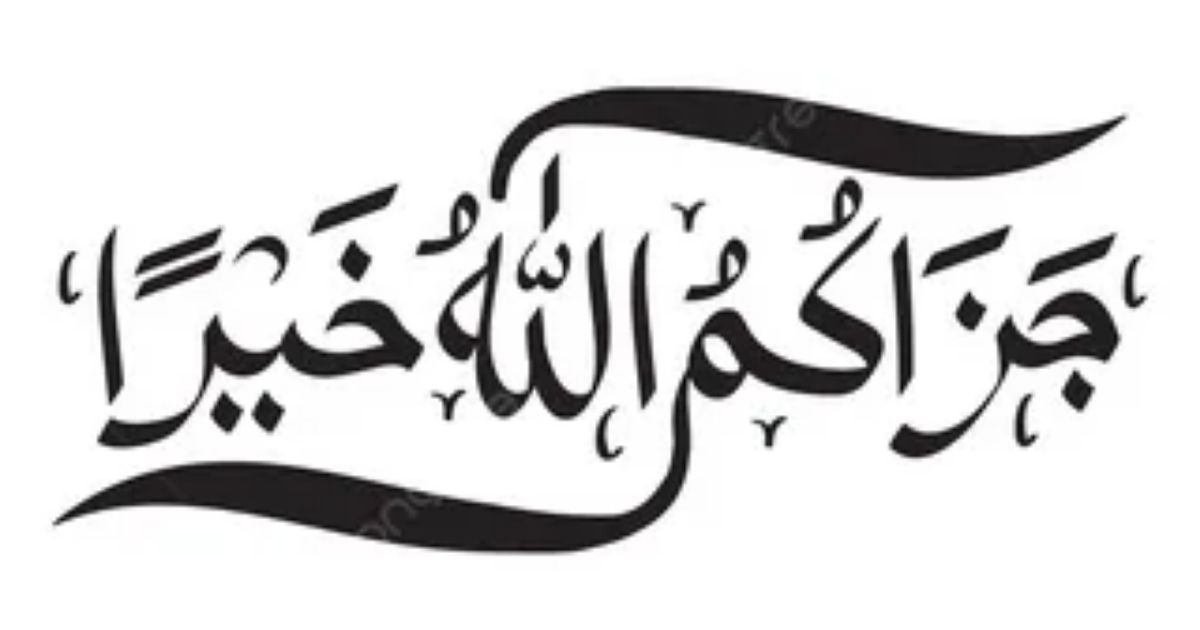
Have you ever heard someone say “Jazakallah Khair” and wondered what it really means? Maybe you’ve felt confused about when to use it or worried about saying it the wrong way. It can be frustrating wanting to express gratitude correctly but not knowing the exact meaning behind the words.
In this post, we’ll break down the Jazakallah Khair Meaning in simple terms so you fully understand it. You’ll learn how and when to use it, why it’s special, and how it can make your expressions of thanks more meaningful. By the end, you’ll feel confident using this phrase in the right way every time.
The Meaning of “Jazakallah Khair” in Arabic
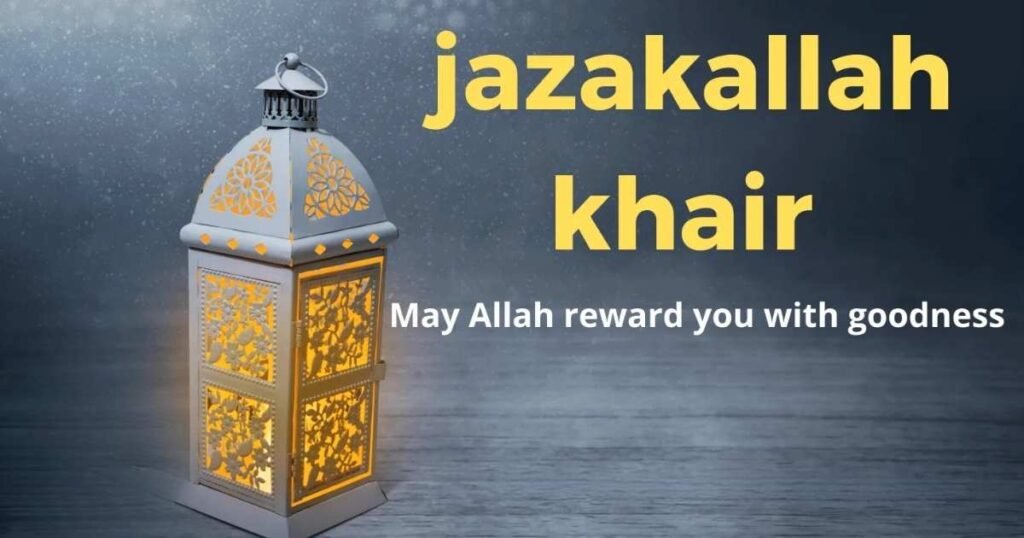
- Jazakallah Khair ; جزاك الله خير
- Literal Meaning: May Allah reward you with goodness
- Spiritual Meaning: A prayer asking Allah to bless someone for their good deeds
- Everyday Usage: A polite and religious way to say thank you
Jazakallah Khair is an Arabic phrase used to express gratitude. Muslims often say it after someone helps, teaches, or gives a gift. Unlike a casual “thanks,” it carries a spiritual meaning, acting as a prayer for the other person. It shows that the gratitude comes with a sincere wish for Allah’s blessings and goodness.
The phrase has two parts: Jazakallah, meaning “May Allah reward you,” and Khair, meaning “goodness.” Together, they form a meaningful Islamic expression of thanks. Saying it reflects sincerity, politeness, and a hope that the recipient receives divine blessings. It is commonly used in daily conversations, letters, and even online messages in Arabic-speaking communities.
Using Jazakallah Khair demonstrates respect, kindness, and proper Islamic etiquette. It combines gratitude with a prayer for someone’s benefit. When you say it, you not only thank someone but also wish them spiritual rewards. This phrase strengthens social and spiritual bonds, making it a thoughtful, meaningful way to show appreciation in Islam.
Linguistic Root and Grammatical Usage
Have you ever wondered why a simple phrase like Jazakallah Khair carries so much depth? Behind these words lies a fascinating mix of Arabic grammar and spiritual meaning that makes it both precise and beautiful. Understanding the roots and structure helps you use it correctly, whether in speech or writing.
In Arabic, every word usually comes from a root of three consonants. For Jazakallah Khair, the root is J-Z-Y (ج-ز-ي), which relates to reward or recompense. Knowing this root gives you insight into how the phrase expresses not just thanks, but a wish for divine reward. Think of it as unlocking the “DNA” of the words it reveals why each part matters.
Here are some key points to understand its usage:
Breakdown of the Phrase ;
“Jazakallah” means “May Allah reward you,” and “Khair” means “goodness” or “blessing.” Together, it’s a complete prayer and expression of gratitude, not just a casual thank-you. Using both words is what gives the phrase its spiritual weight.
Male and Female Forms ;
Arabic changes words slightly depending on gender. For a female, you might say Jazakillahu Khairan, while for males, it’s Jazakallah Khair. Paying attention to this shows respect and proper etiquette in Islamic culture.
Grammatical Construction;
The phrase combines a verb form (jazaka = “He rewarded you”) with a noun (khair = “goodness”). This combination makes it both a statement and a supplication, which is why it can be used in everyday conversation as well as in religious contexts.
Pronunciation Matters ;
Small changes in pronunciation can slightly alter the meaning. For example, emphasizing the “Kh” in Khair correctly ensures clarity and preserves the original meaning. It’s a subtle but important detail that reflects care and respect.
Linguistic Nuances ;
Interestingly, the root J-Z-Y appears in other Arabic words related to rewards, justice, and recompense. This connection shows how deeply Arabic words are interlinked and how learning roots can make understanding many phrases easier.
Understanding the linguistic roots and grammatical structure makes Jazakallah Khair more than just words. It becomes a thoughtful, respectful, and spiritually rich way to express gratitude. Next time you say it, you’ll know exactly why it carries so much meaning.
You May Also like : Nice Meaning
Examples of “Jazakallah Khair” in Arabic Sentences
Jazakallah Khair is a versatile phrase used to express gratitude and pray for someone’s reward from Allah. Understanding how it fits into real sentences can help you use it correctly in daily life or formal situations. Related terms like Jazakallah Khair examples and Islamic expressions of thanks give extra clarity.
The interpretation may vary depending on the situation:
- After Receiving Help or Advice: “جزاك الله خيرًا على نصيحتك” Jazakallah Khairan ‘ala naseehatik, means “May Allah reward you with goodness for your advice.” This shows appreciation and a prayer for the helper’s benefit.
- During a Religious Setting: “جزاك الله خيرًا على دعائك” Jazakallah Khairan ‘ala du’a’ak , translates to “May Allah reward you for your prayer.” It’s commonly used after someone prays for you or recites a dua.
- Expressing Gratitude for a Gift or Favor: “جزاك الله خيرًا على هديتك” Jazakallah Khairan ‘ala hadiyatik , means “May Allah reward you for your gift.” This links everyday gratitude with spiritual blessings.
- Reply to Kind Words or Support: You can simply say Jazakallah Khair in response to someone’s encouragement. It acknowledges their action and prays for their reward, showing both politeness and Islamic etiquette.
- Negative or Cautionary View: If said without sincerity, the phrase may feel routine or shallow. Using it thoughtfully ensures that your gratitude remains meaningful and spiritually significant.
Using these examples helps you understand both the meaning and the proper context of Jazakallah Khair. It demonstrates how everyday expressions of thanks in Islam can also serve as prayers for blessings and goodness.
Cultural or Quranic Significance of “Jazakallah Khair”
Have you ever noticed how a simple “thank you” can feel so much deeper in some cultures? In Islam, saying Jazakallah Khair isn’t just polite it’s a way to connect gratitude with faith. It combines everyday manners with a sincere prayer, making your thankfulness both heartfelt and spiritually meaningful.
This phrase carries layers of significance, both culturally and in the Quranic context:
A Prayer Embedded in Gratitude ;
Unlike ordinary thank-you phrases, Jazakallah Khair is itself a dua. When you say it, you ask Allah to reward the person with goodness. It turns a simple acknowledgment into a spiritual gesture, linking social etiquette with divine blessings.
Quranic Inspiration ;
The concept of rewarding others for their deeds appears multiple times in the Quran. Saying Jazakallah Khair reflects this principle by explicitly wishing someone a reward from Allah, reinforcing the Quranic teaching that good actions deserve divine recognition.
Strengthening Social Bonds ;
In Islamic culture, gratitude is more than words; it builds community and respect. Using Jazakallah Khair acknowledges not only the act of kindness but also the person behind it. It encourages generosity, support, and positive interactions in families, schools, and workplaces.
Mindful and Respectful Expression;
Beyond culture, the phrase emphasizes mindfulness. Saying it sincerely requires awareness of the other person’s effort and intention. It’s a gentle reminder that gratitude is most meaningful when thoughtful and heartfelt.
Everyday Spiritual Practice;
Interestingly, people often use it in casual daily interactions after receiving advice, help, or even a gift. This repeated, conscious use makes gratitude a small but constant spiritual habit, blending faith seamlessly into ordinary life.
In short, Jazakallah Khair goes beyond words. It’s a cultural practice, a Quranic reflection, and a spiritual tool all in one. Using it thoughtfully can make everyday interactions more meaningful and spiritually rewarding.
Jazakallah Khair Meaning in Urdu
- اردو ترجمہ: “جزاك الله خير” کا مطلب ہے “اللہ آپ کو نیکی سے نوازے۔”
Jazakallah Khair means “May Allah reward you with goodness.” It is used to express both gratitude and a prayer for someone. Muslims often say it after receiving help, advice, or a gift. Unlike a simple “thank you,” it carries spiritual meaning, combining respect and a heartfelt wish for the other person’s well-being.
- اردو ترجمہ: یہ جملہ ادب اور شائستگی کے ساتھ ساتھ روحانی اہمیت بھی رکھتا ہے۔
Saying Jazakallah Khair shows appreciation and politeness while also praying for Allah’s blessings on the person. It turns ordinary gratitude into a meaningful, thoughtful gesture. Using it in daily life strengthens social and spiritual bonds, making your “thank you” more sincere and spiritually rewarding.
Jazakallah Khairan Reply
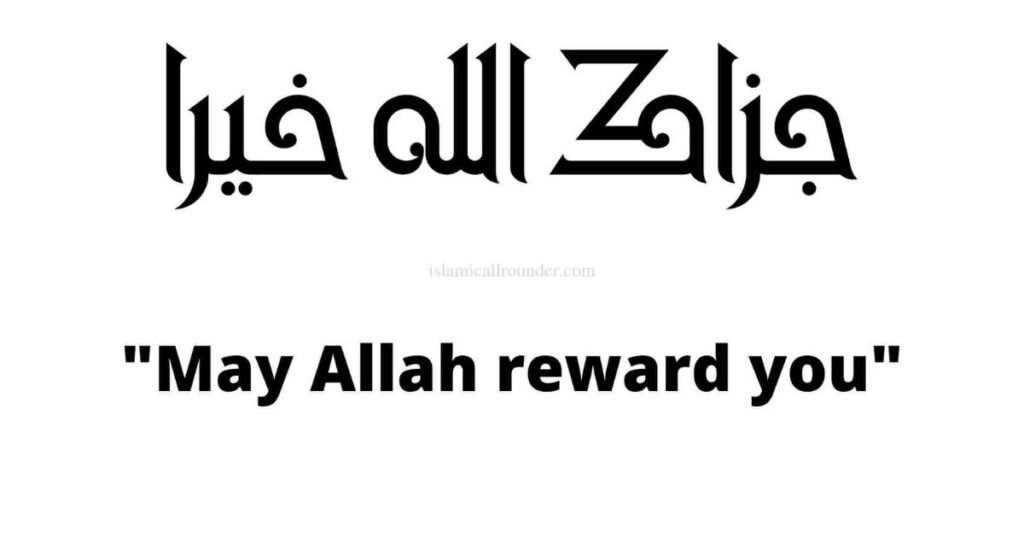
- جزاك الله خيران
When someone says Jazakallah Khair, you can reply with Jazakallah Khairan. This means “May Allah reward you with even more goodness.” It’s a polite and meaningful way to acknowledge their gratitude. Using this reply shows respect, sincerity, and a wish for Allah’s blessings on the person who thanked you.
- Jazakallahu Khairan
You can say Jazakallah Khairan in daily situations, like after someone helps you, gives advice, or offers a gift. The reply is simple but thoughtful. It strengthens social bonds and reflects proper Islamic etiquette. Saying it sincerely makes your response both polite and spiritually meaningful.
Jazakallah Meaning
- جزاك الله
Jazakallah is an Arabic phrase that means “May Allah reward you.” It is often used alone to thank someone in a religious way. While shorter than Jazakallah Khair, it still carries a spiritual meaning. Muslims say it after someone helps, teaches, or gives a gift. Using it shows respect and appreciation in a polite, faith-based way.
- Jazakallahu Khair
You can respond with Jazakallahu Khair when someone says Jazakallah to you. This means “May Allah reward you with goodness.” It keeps the gratitude mutual and adds sincerity. Saying it thoughtfully strengthens social bonds and reflects proper Islamic etiquette. Even a short reply like this carries spiritual meaning and shows genuine appreciation.
Jazakallah Khairan in Arabic
Jazakallah Khairan in Arabic is written as جزاك الله خيرًا. It means “May Allah reward you with goodness.” The word “Khairan” adds emphasis and makes the phrase grammatically complete. Many scholars prefer this full form because it follows proper Arabic grammar and sounds more formal and correct.
People use Jazakallah Khairan in both spoken and written Arabic. It is common in Islamic culture when thanking someone for help, advice, or kindness. Saying the full phrase shows care and respect for the language. It also makes your gratitude feel more sincere and spiritually meaningful.
Jazakallah Khair for Female
When you thank a woman in Arabic, the wording changes slightly. Using the correct female form shows respect, care, and understanding of proper Islamic manners in daily communication.
- Say Jazakillahu Khairan when speaking to one woman. The ending sound changes to match the feminine form in Arabic grammar.
- If you are thanking more than one woman, use Jazakunnallahu Khairan. This form is used for a group of females.
- In formal settings, you may add extra words to increase sincerity and emphasis in your gratitude.
- In text messages, people sometimes shorten the phrase, but keeping the correct female ending is still important.
- When replying to a woman who thanked you, use the proper feminine response to keep the exchange respectful.
- Learning the female version helps you avoid common grammar mistakes in religious phrases.
- Using the correct form strengthens politeness and reflects awareness of Islamic culture and language.
See More : Nice meaning
Jazakallah Khairan Reply to Female
Jazakallah Khairan Reply to Female refers to the correct way of responding when a woman says “Jazakillah” or thanks you using an Islamic phrase for gratitude. Using the proper female form shows awareness of Arabic grammar and proper Islamic etiquette. It also reflects respect in Islamic culture and politeness.
In Arabic, religious phrases often change depending on gender. Understanding male and female forms in Arabic helps you reply correctly and avoid common mistakes. This is especially important in formal conversations, Islamic classes, or community settings.
The interpretation may vary depending on the situation:
- Simple Mutual Reply: If a woman says Jazakallah Khairan, you can reply with Wa iyyaki (وإياكِ), meaning “And to you as well.” This keeps the gratitude balanced and respectful.
- Adding a Prayer: You may say Barakallahu feeki (بارك الله فيكِ), meaning “May Allah bless you.” This adds warmth and strengthens social bonds.
- Formal Setting: In religious gatherings, a more complete reply may include a dua for increased reward from Allah. This reflects Islamic manners and gratitude.
- Common Mistake to Avoid: Using the male form, such as Wa iyyaka, when speaking to a woman is grammatically incorrect. Small differences matter in Arabic grammar for religious phrases.
- Tone and Intention: A reply should be sincere, not mechanical. Saying the correct words without genuine intention may reduce the spiritual meaning of Jazakallah Khair in Islam.
Using the proper reply for a female maintains respect, clarity, and cultural awareness. It also ensures your response aligns with Islamic expressions of thanks and proper etiquette.
Jazakallah Meaning in English
- Meaning: “May Allah reward you.”
Jazakallah is an Arabic phrase Muslims use to express gratitude in a spiritual way. It is more than a simple “thank you.” When you say it, you are asking Allah to reward the person for their kindness, help, or support. The phrase turns appreciation into a small but meaningful prayer.
People commonly say Jazakallah in daily conversations, text messages, and religious gatherings. It reflects Islamic manners and sincere intention. Even though the phrase is short and easy to say, it carries deep spiritual value. Using it strengthens respect, positivity, and a sense of gratitude within the community.
Jazakallah Khairan Kaseera Meaning
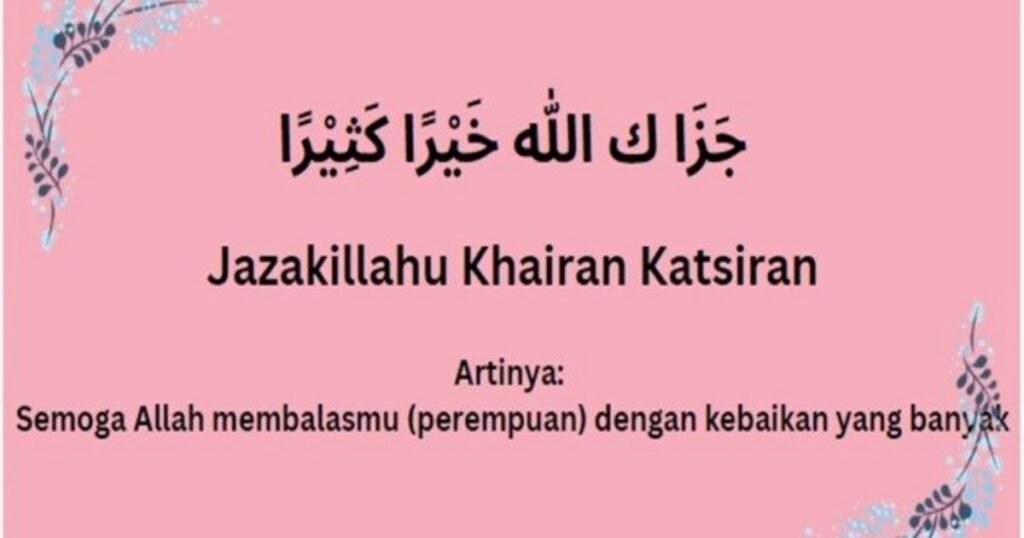
- Meaning: “May Allah reward you with abundant goodness.”
Paragraph 1:
Jazakallah Khairan Kaseera is a longer and more powerful form of thanks in Arabic. The word Kaseera means “abundantly” or “in great amount.” When you add it, you increase the prayer for the person. Instead of asking for simple goodness, you are asking Allah to reward them with plenty of blessings.
People use this phrase in special moments, such as after great help or sincere support. It shows deep appreciation and strong gratitude. The extra word adds warmth and emphasis to the dua. Even though it is slightly longer, it remains easy to say and carries beautiful spiritual meaning in Islam.
Common Misunderstandings or Mistakes
Have you ever said Jazakallah Khair and wondered if you got it right? Many people make small mistakes when using this beautiful phrase, and it can change the meaning or reduce its impact. Understanding these common errors can help you show proper gratitude while keeping your expression spiritually meaningful.
Using Jazakallah Khair might seem simple, but Arabic grammar and etiquette make it easy to slip up. Even small details like pronunciation, gender, or word order matter. When used correctly, the phrase reflects respect, sincerity, and proper Islamic manners. Let’s go over some common misunderstandings:
Using the Male Form for Females:
A frequent mistake is saying Jazakallah Khair to a woman without adjusting the ending. Arabic changes words for gender, so the female form should be Jazakillahu Khairan. Using the wrong form may sound impolite or grammatically incorrect.
Leaving Out “Khair”:
Some people say just Jazakallah thinking it’s enough. While it is still polite, adding Khair (goodness) completes the meaning, turning simple gratitude into a prayer asking Allah for blessings.
Incorrect Pronunciation:
Mispronouncing words like “Khair” or “Khairan” can subtly change the meaning. Even small differences in sound matter in Arabic. Practicing the correct pronunciation keeps the phrase authentic and respectful.
Using the Phrase Mechanically:
Saying Jazakallah Khair without sincerity makes it routine. It should be more than a habit; the intention behind the words adds spiritual value. Genuine gratitude strengthens social bonds and reflects true Islamic etiquette.
Overcomplicating or Extending Unnecessarily:
Adding extra words or changing the structure too much can confuse the meaning. For example, unnecessary additions may dilute the spiritual essence. The simplest forms, like Jazakallah Khairan, are often the most meaningful.
Takeaway: Using Jazakallah Khair correctly requires attention to gender, pronunciation, and sincerity. By avoiding these common mistakes, your expression of thanks becomes more authentic, respectful, and spiritually rewarding. Small details make a big difference in showing proper Islamic gratitude.
Why You Should Learn “Jazakallah Khair”
Have you ever thought that a simple phrase could make a big difference in your daily interactions? Jazakallah Khair is more than just words it’s a small prayer that carries gratitude, respect, and spiritual meaning all at once. Learning it properly connects you to Islamic manners and enriches your everyday life.
Even though it seems short, using Jazakallah Khair correctly shows thoughtfulness and awareness. It’s a phrase that bridges language, culture, and faith. Knowing how and when to say it ensures your gratitude is meaningful, sincere, and respectful. Here are some reasons why it’s worth learning:
- Express Gratitude with Intention: Saying Jazakallah Khair is not just “thank you.” It’s a prayer asking Allah to reward someone for their kindness. Learning it helps you make your gratitude spiritual, sincere, and heartfelt.
- Respect Islamic Etiquette: Proper use shows awareness of gender, pronunciation, and context. For example, replying to a female with the correct form, Jazakillahu Khairan, demonstrates cultural and religious understanding. It’s a small detail that reflects good manners.
- Strengthen Social and Spiritual Bonds: Using this phrase thoughtfully encourages kindness and reciprocity. When someone helps or advises you, saying Jazakallah Khair makes them feel appreciated and valued, reinforcing positive relationships.
- Enhance Daily Interactions: From conversations to messages or online posts, learning Jazakallah Khair allows you to express gratitude naturally in many situations. It makes your words meaningful without being complicated.
- Connect Words with Faith: A lesser-known fact is that the phrase links daily actions with spiritual practice. Every time you say it, you turn a simple thank-you into a prayer, which is a subtle yet powerful way to integrate faith into everyday life.
Takeaway: Learning Jazakallah Khair is more than memorizing words. It’s about expressing gratitude sincerely, respecting Islamic etiquette, and making your daily interactions spiritually meaningful. Small words, when used correctly, can create big impacts.
Frequently Asked Questions
Is Jazakallah Khair Meaning only for Muslims
Jazakallah Khair Meaning is primarily used by Muslims, but anyone learning Arabic or Islamic etiquette can use it. The meaning remains a spiritual thank-you and a prayer for blessings.
Does Jazakallah Khair Meaning have a spiritual significance
Yes, Jazakallah Khair Meaning carries deep spiritual significance. It not only thanks the person but also asks Allah to reward them, combining gratitude with faith in every interaction.
Can Jazakallah Khair Meaning be written in English
Yes, Jazakallah Khair Meaning can be written in English as jazakallahu khairan. Writing it this way keeps the meaning clear and helps non-Arabic speakers understand the prayer behind it.
Why is Jazakallah Khair Meaning important in Islam
Jazakallah Khair Meaning is important because it links gratitude with prayer. Saying it correctly shows respect, sincerity, and understanding of Islamic manners while asking Allah to reward the person.
Can children learn Jazakallah Khair Meaning
Yes, children can learn Jazakallah Khair Meaning from an early age. Teaching them helps instill polite behavior, spiritual awareness, and proper Islamic etiquette in everyday life.
How does Jazakallah Khair Meaning differ from a normal thank you
Jazakallah Khair Meaning differs because it includes a prayer for the person’s reward. Unlike a normal thank-you, it is a spiritual dua asking Allah to bless the one you appreciate.
Conclusion
Learning how to express gratitude properly is important in everyday life. Jazakallah Khair Meaning helps you thank someone while also praying for their reward from Allah. It is more than a simple thank-you. Using it shows respect, sincerity, and thoughtfulness in both casual and religious settings.
Many people don’t realize the full significance of this Jazakallah Khair Meaning. Saying it correctly, with the proper pronunciation and gender form, makes your words meaningful. It can be used after receiving help, advice, or gifts. Understanding it strengthens social bonds and shows good manners. Even small gestures become powerful when paired with a prayer. Practicing this phrase helps you connect with others and adds a spiritual touch to daily interactions. Using it thoughtfully makes your gratitude sincere and impactful.