Have you ever heard someone say Mashallah and wondered what it really means? Maybe you’ve seen it in comments, captions, or heard it from family, but still felt unsure about the true Mashallah Meaning. It can feel confusing when everyone else seems to understand it, and you don’t want to use it the wrong way.
In this post, you’ll learn the clear and simple Mashallah Meaning, when to say it, and why people use it so often. We’ll break it down in easy words with real examples so you can feel confident using it in daily life. By the end, you’ll understand not just the translation, but the heart behind it too.
The Meaning of “Mashallah” in Arabic
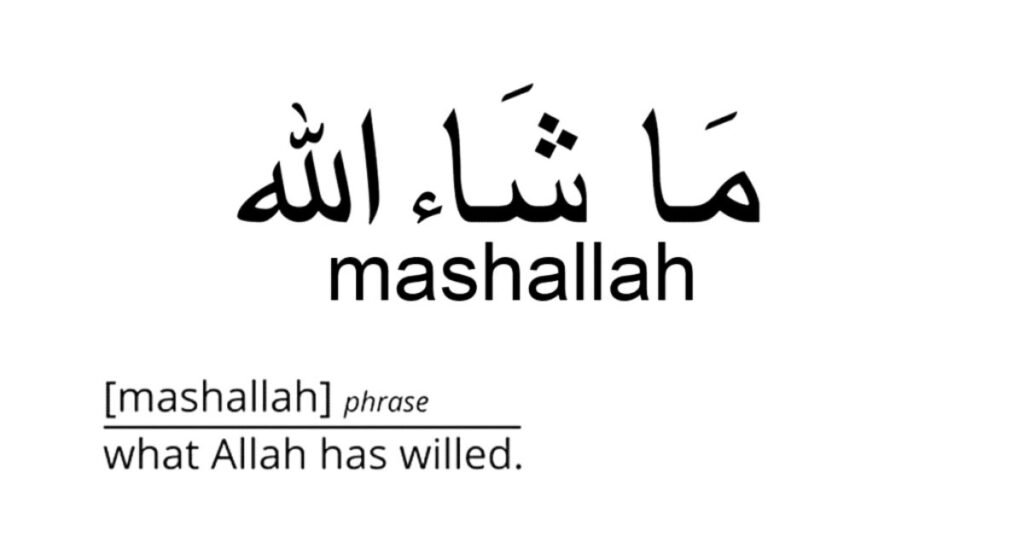
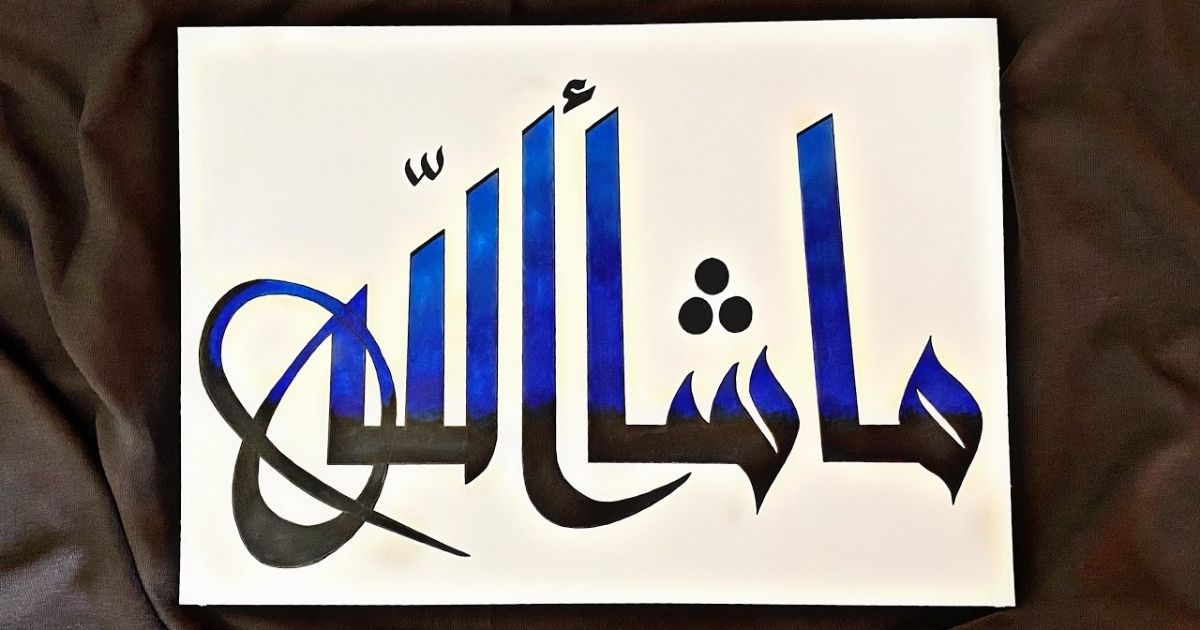
Mashallah in Arabic is a meaningful Islamic phrase used to show admiration and gratitude. When someone says it, they acknowledge that something good has happened because of Allah’s will. It expresses happiness without envy and reminds us that all blessings come from Allah. People often say it to appreciate beauty, success, or positive events.
Meaning:
- What Allah has willed
- Acknowledging Allah’s will and blessings
Arabic Version:
- ما شاء الله (Ma Sha Allah)
Mashallah also carries a protective meaning. Saying it helps prevent jealousy and the evil eye in Islam. It is often used in daily life, from praising children to complimenting achievements. By saying Mashallah, Muslims combine admiration with humility, recognizing that Allah is the source of all good things and expressing sincere gratitude in everyday moments.
Linguistic Root and Grammatical Usage
Have you ever wondered why the phrase Mashallah sounds so smooth and meaningful? It’s not just a compliment—it’s a carefully structured expression rooted in Arabic grammar. Understanding its linguistic foundation helps you appreciate its depth and say it correctly in daily life. Think of it like uncovering the blueprint behind a beautiful building it makes everything make sense.
At its core, Mashallah comes from three Arabic words: “Ma” (what), “Sha’a” (has willed), and “Allah” (God). Together, they literally mean “What Allah has willed.” But beyond the literal translation, the phrase carries spiritual and cultural weight, reminding us that all blessings come from Allah. Here’s a breakdown of its grammatical and linguistic significance:
Root Words and Meaning ;
Arabic is a root-based language. The root letters ش-أ-ء (Sh-A-A) relate to “will” or “wish.” This shows that Mashallah isn’t just a casual compliment it acknowledges divine intention behind every good thing.
Verb Form and Structure;
In classical Arabic, the phrase uses the past tense of the verb “to will.” That’s why it naturally conveys that something already happened according to Allah’s will, making it a reflection of both admiration and recognition.
Spiritual Layer in Grammar ;
Unlike ordinary compliments, Mashallah links grammar with faith. By stating “what Allah has willed,” the speaker’s words carry both praise and humility, blending linguistic rules with spiritual etiquette.
Practical Usage in Sentences ;
In everyday speech, it’s used after seeing something beautiful or impressive. For example: “Mashallah, your garden looks amazing” or “Mashallah, your child is so healthy.” Its structure allows it to fit naturally in Arabic sentences while maintaining respect and reverence.
Interesting Fact ;
Many learners don’t realize that Mashallah’s grammar also protects against the “evil eye.” This isn’t just cultural it’s embedded in the meaning. By using the correct form, you’re following centuries of linguistic and religious tradition.
Understanding the linguistic root and grammar of Mashallah makes saying it more meaningful. It’s not just words you’re expressing admiration, gratitude, and recognition of Allah’s will all at once. Next time you say it, you’ll know exactly why it sounds so special and powerful.
Read More: Nice Meaning
Examples of “Mashallah” in Arabic Sentences
Using Mashallah in Arabic adds depth and meaning to everyday conversations. It’s a phrase that expresses admiration, gratitude, and recognition of Allah’s will, whether in casual or formal contexts. Learning how it fits naturally into sentences helps you use it confidently and correctly.
The interpretation may vary depending on the situation:
- Admiring a child or baby:
Mashallah, your baby is so healthy!
This usage combines praise and protection from the evil eye, reflecting Islamic etiquette phrases and cultural traditions. - Complimenting achievements:
Mashallah, you did an excellent job on your project.
Here, the phrase acknowledges success while reminding that Allah’s will is behind every blessing. - Appreciating beauty or possessions:
Mashallah, your home looks amazing!
It’s common to use Mashallah for beauty, whether in appearance, objects, or surroundings, emphasizing gratitude in Islam. - Social media and daily conversation:
People often write Ma Sha Allah or Masha Allah in comments online. It shows admiration while maintaining respect and spiritual mindfulness in modern contexts. - Cultural nuance:
In some cases, Mashallah may be said to ward off jealousy or envy. Using it properly highlights the difference between Mashallah and Alhamdulillah, showing understanding of Arabic religious expressions.
By studying these examples, you can see how Mashallah meaning in Arabic adapts to different situations. It’s more than a phrase it’s a versatile expression blending praise, gratitude, and humility.
How to Pronounce Mashallah Correctly
Pronouncing Mashallah correctly is important to convey respect, admiration, and understanding of its meaning. Many learners of Arabic or Islamic expressions struggle with pronunciation, which can make the phrase sound unfamiliar or less authentic. Using it properly ensures your admiration is both meaningful and culturally accurate.
The interpretation may vary depending on the situation:
- Basic pronunciation: Say it as Ma-sha-Allah, emphasizing each syllable clearly. The “Ma” sounds like “ma” in “mama,” “sha” like “shah,” and “Allah” with a soft but full emphasis.
- Regional variations: Some speakers say Masha Allah or Ma Sha Allah depending on Urdu, Turkish, or Hindi influences. These variations are generally accepted, but the Arabic pronunciation is the most traditional and widely recognized.
- Tone and context matter: When praising someone or something, say Mashallah with warmth and sincerity. Speaking it too quickly or mechanically can reduce its spiritual and cultural impact.
- Common mistakes: Mispronouncing the “sh” sound or stressing the wrong syllable can make it sound unnatural. Overemphasis or casual use without understanding its meaning can also dilute its significance.
- Cultural significance: Correct pronunciation reflects knowledge of Arabic religious expressions, Islamic etiquette phrases, and shows respect for the person or object being praised. It also helps convey both admiration and humility effectively.
Using Mashallah correctly in speech ensures your words are not only understood but also appreciated. Proper pronunciation connects you to the phrase’s cultural, spiritual, and linguistic roots, making it a meaningful expression in daily conversation, religious contexts, and social interactions.
Inshallah Meaning

Inshallah is a common Arabic phrase Muslims use to express hope for the future. It literally means that something will happen only if Allah wills it. People often say it when talking about plans, goals, or events. It reminds us that the outcome of everything is ultimately in Allah’s hands.
Meaning:
- If Allah wills
- God willing
Arabic Version:
- إن شاء الله
- Inshaa Allah
It is used in daily conversation to show humility and trust in Allah’s plan. For example, when someone says, “I will visit you tomorrow, Inshallah,” they acknowledge that the plan depends on Allah’s will. Inshallah encourages patience, faith, and proper Islamic etiquette in both casual and formal situations.
Mashallah Meaning in Urdu
Mashallah in Urdu is a phrase used to show admiration and respect for something good. People say it to appreciate beauty, success, or blessings while acknowledging that everything happens by Allah’s will. It’s commonly used in daily conversation, especially when praising children, achievements, or positive events.
Meaning:
- اللہ نے جو چاہا
- خدا کی مرضی کے مطابق
Arabic Version:
- ما شاء الله
- Ma Sha Allah
Saying Mashallah in Urdu also reflects humility and gratitude. It protects against jealousy and the evil eye, making it a meaningful Islamic expression. For example, you might say, “Mashallah, بچہ بہت خوبصورت ہے,” to praise a child while showing respect for Allah’s blessings. It’s both a spiritual and cultural phrase.
Mashallah Meaning to kids
Mashallah is a phrase used to praise something good about children. Parents, relatives, and teachers say it to show admiration and gratitude while acknowledging Allah’s blessings. It’s a kind and protective expression often used when a child achieves something or looks happy and healthy.
Meaning:
- What Allah has willed
- Appreciation and protection for children
Saying Mashallah to kids also teaches them gratitude and humility from an early age. For example, if a child draws a nice picture or performs well in school, saying, “Mashallah, great job!” shows love and respect while reminding everyone that blessings come from Allah. It’s both caring and spiritual.
See More:Nice Meaning
Inshallah Mashallah Meaning
Inshallah Mashallah is a phrase that combines hope for the future with admiration for blessings. People use it to show that they trust Allah’s will and appreciate the good around them. It’s common in daily conversation, especially when talking about plans, achievements, or positive events.
Meaning:
- Inshallah: If Allah wills
- Mashallah: What Allah has willed
Arabic Version:
- إن شاء الله (Inshallah)
- ما شاء الله (Mashallah)
Using Inshallah Mashallah together shows both humility and gratitude. For example, when someone says, “I will succeed, Inshallah Mashallah,” they express hope for Allah’s guidance while acknowledging blessings. It’s a respectful, spiritual way to speak and reflects both faith and admiration in Islamic daily expressions.
Mashallah Meaning Turkish
In Turkish, Mashallah is often written as Maşallah. People use it to admire something good while showing respect for Allah’s will. It’s common when praising children, achievements, or beauty. Saying it reflects gratitude and protects blessings from envy or the evil eye in daily life.
Meaning:
- Allah’ın dilediği gibi
- Appreciation and protection for blessings
Using Mashallah in Turkish conversations shows both admiration and faith. For example, if a friend shows a new home or a baby, saying, “Maşallah, çok güzel!” expresses joy and respect while acknowledging Allah’s blessings. It’s a simple but meaningful phrase in Turkish Muslim culture.
Mashallah Meaning in Hindi
Mashallah is a phrase used to praise or admire something good. It shows appreciation while recognizing that everything happens by Allah’s will. People often say it when complimenting children, achievements, or beautiful things. It’s both a spiritual and cultural expression used in daily life.
Meaning in Hindi:
- अल्लाह की मर्जी से हुआ
- सराहना और आभार दिखाना
Using Mashallah not only expresses admiration but also protects blessings from envy or the evil eye. For example, if a child draws a beautiful picture or someone achieves success, saying, “Mashallah, very nice!” shows gratitude and respect while acknowledging Allah’s will. It’s simple, meaningful, and widely used.
Mashallah Meaning in Urdu and English
Mashallah is a phrase used to admire something good while recognizing Allah’s will. People say it to show appreciation for blessings, beauty, or achievements. It’s commonly used in daily life to express gratitude and humility in both Urdu and English-speaking communities.
Meaning in Urdu:
- اللہ نے جو چاہا
- خدا کی مرضی کے مطابق
Meaning in English:
- What Allah has willed
- Showing admiration and gratitude
Saying Mashallah in both languages also protects blessings from envy or the evil eye. For example, if a child does well in school or someone buys a new home, saying “Mashallah” expresses respect and faith. It’s a simple phrase with deep cultural and spiritual significance in everyday conversations.
Cultural or Quranic Significance of “Mashallah”
Have you ever wondered why a simple word like Mashallah carries so much meaning? It’s more than just a compliment it’s a phrase steeped in Islamic culture and spiritual guidance. Understanding its cultural and Quranic significance helps you appreciate why Muslims use it in daily life and how it protects blessings while expressing gratitude.
At its core, Mashallah is about recognizing Allah’s will in every good thing. It’s used in homes, schools, and social gatherings not just as praise but also as a spiritual safeguard. Here are some key points that highlight its importance:
Recognition of Allah’s Will;
Saying Mashallah acknowledges that every blessing, achievement, or beauty comes from Allah. It’s a reminder that humans are grateful recipients, not the sole creators of good things.
Protection from the Evil Eye ;
Across many Muslim cultures, Mashallah is said to ward off envy and negative energy. For instance, praising a child’s success with Mashallah subtly protects them from jealousy or ill wishes.
Quranic Connection ;
While the exact phrase “Mashallah” is not repeated frequently in the Quran, its meaning aligns with verses emphasizing Allah’s will and blessings. It reinforces faith and humility, reminding believers that nothing occurs without divine permission.
Cultural Usage and Etiquette ;
In everyday life, Mashallah is used for children, beauty, success, and possessions. It’s an Islamic etiquette phrase that promotes positive social interaction while showing respect and appreciation in both casual and formal settings.
Spiritual Reminder;
Saying Mashallah encourages mindfulness. Every time it is used, it subtly reminds the speaker and listener to stay grateful, humble, and aware of divine blessings in life.
In short, Mashallah is not just a word it’s a bridge between culture, faith, and daily life. Whether you say it for admiration, protection, or gratitude, it carries centuries of spiritual meaning in just a few syllables. Using it correctly keeps both tradition and faith alive in everyday moments.
Common Misunderstandings or Mistakes
It’s easy to think that Mashallah is just another way to say “wow” or “nice job.” But there’s much more behind this simple phrase. Many people unknowingly misuse it, which can dilute its meaning or even overlook its spiritual purpose. Understanding the common mistakes helps you use Mashallah correctly and confidently.
Here are some key points to keep in mind:
Using Mashallah as a casual compliment only ;
Some people say it like any ordinary praise, without recognizing Allah’s will behind it. Remember, it’s not just about admiration; it’s about acknowledging that all blessings come from Allah.
Confusing Mashallah with Alhamdulillah;
While both are expressions of faith, Alhamdulillah means “praise be to Allah” for what you already have, while Mashallah is used to admire someone or something else. Mixing them up can change the meaning entirely.
Overusing the phrase ;
Repeating Mashallah too often in a sentence or conversation can make it sound forced or insincere. It works best when used thoughtfully and naturally, like noticing something genuinely praiseworthy.
Incorrect pronunciation or spelling ;
Many people write it as “Masha Allah” or “Ma Sha Allah,” which is fine in transliteration, but mispronouncing it can confuse listeners or affect its spiritual intent. Learning the correct Arabic pronunciation adds authenticity.
Ignoring cultural and spiritual context ;
Mashallah is not only a phrase for admiration but also a protective and respectful expression. Using it without understanding the cultural or Quranic significance can reduce its impact, especially in Muslim communities.
In short, Mashallah is simple but powerful. Using it correctly shows gratitude, admiration, and respect for Allah’s will. By avoiding these common mistakes, you can speak naturally, protect blessings, and keep the phrase meaningful in your everyday conversations.
Why You Should Learn “Mashallah”
Learning Mashallah is more than memorizing a phrase. It helps you appreciate the blessings around you while recognizing Allah’s will. When you say it, you show gratitude and admiration in a way that is humble and respectful. Using Mashallah correctly makes your compliments meaningful and ensures you honor both the speaker and the recipient.
Mashallah also serves as a protective phrase. In Islamic culture, it helps guard blessings from envy or the evil eye. Parents, teachers, and friends often use it when praising children, achievements, or beauty. By saying it, you combine kindness, faith, and social etiquette, creating a thoughtful interaction that reflects spiritual awareness and positive energy in everyday life.
Finally, learning Mashallah connects you to a rich cultural and spiritual tradition. It’s widely used in Muslim communities to show admiration while remaining humble. Whether in Urdu, Hindi, Turkish, or Arabic, saying Mashallah naturally demonstrates respect for Allah’s blessings. Using it properly enhances your communication and helps you participate meaningfully in both religious and daily social settings.
Frequently Asked Questions
Why is Mashallah Meaning important for Muslims in daily life?
Mashallah Meaning teaches humility, gratitude, and respect for Allah’s will while protecting blessings from envy and encouraging positive behavior.
Can I say Mashallah Meaning when praising kids or babies?
Mashallah Meaning is often used for children to show admiration, gratitude, and protection from jealousy or the evil eye.
How do I spell Mashallah Meaning in Arabic and English?
Mashallah Meaning can be written Mashallah, Masha Allah, or Ma Sha Allah, and the Arabic version is ما شاء الله.
Is Mashallah Meaning used only in Arabic-speaking communities?
Mashallah Meaning is used worldwide in Urdu, Hindi, Turkish, and Arabic speakers to show admiration and gratitude.
Does Mashallah Meaning protect blessings from jealousy or harm?
Mashallah Meaning is believed to safeguard blessings while expressing admiration and humility in everyday conversations.
Conclusion
Understanding Mashallah Meaning is more than learning a word. It is about admiration, gratitude, and respect for Allah’s blessings. You must say it correctly to show sincerity. This term must be used in daily life, whether praising children, beauty, or achievements. It reminds us that everything happens by Allah’s will.
Using Mashallah Meaning properly protects blessings from envy and strengthens faith. You must know its cultural and Quranic significance. This term must not be used carelessly or as a casual compliment. Every time you say it, it expresses humility and awareness. By learning Mashallah Meaning, you connect with Islamic teachings and traditions. You must use it naturally, with understanding, to keep its spiritual and cultural value alive in your conversations.