

Sometimes you come across a word that feels deep but confusing at the same time. You might have seen lygophile online and wondered if it describes you or someone you know. The curiosity behind the lygophile meaning often comes from a love for quiet, dark, and peaceful moments. If you’ve ever felt calm at night or drawn to darkness, you’re not alone in asking, what is lygophile?
In this blog, you’ll find a simple and clear explanation of the lygophile meaning and what makes a person a lygophile. We will break down what is lygophile in easy words so you can understand it fully. By the end, you’ll know if this word truly connects with your personality and feelings.
Lygophile Meaning: Definition and Grammatical Overview
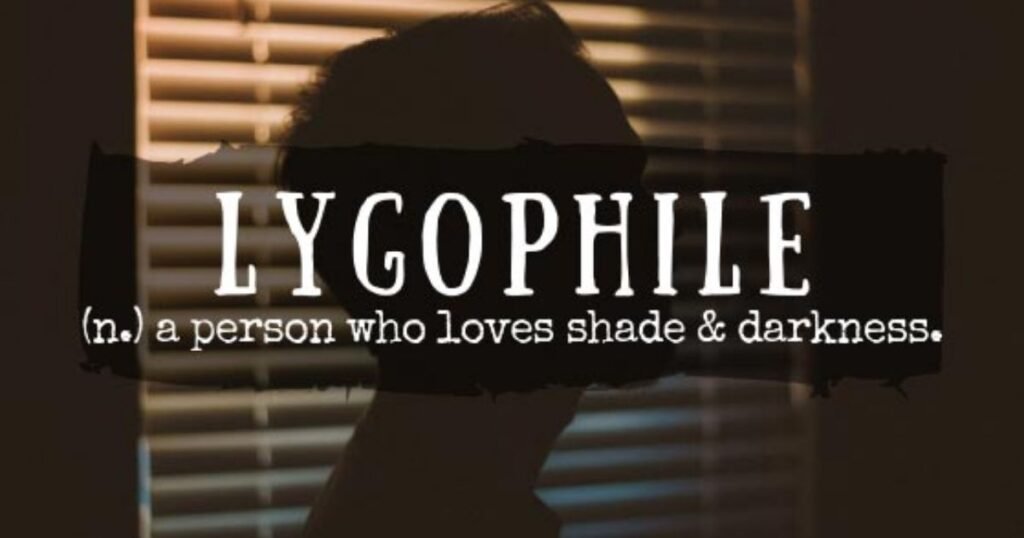
Have you ever felt a calm, almost magical peace when the lights go out or when night falls? That feeling of comfort in darkness isn’t just a quirky habit it might mean you’re a lygophile. The term may sound unusual, but its meaning is surprisingly relatable once you get it.
At its core, lygophile meaning refers to someone who finds joy, inspiration, or peace in darkness. Unlike a casual night owl who stays up late, a lygophile genuinely appreciates the calm, quiet, and mystery that darkness brings. It’s not about fear or avoidance it’s about connection to the softer, quieter side of life.
Here’s a closer look at what makes the lygophile meaning special:
A Unique Emotional Connection to Darkness
Lygophiles feel at ease in dimly lit spaces, moonlit nights, or shadowy corners. They may find solace in moments others consider gloomy, like rainy evenings or a quiet room with only candlelight. This connection can inspire creativity, reflection, and even emotional healing.
Not Just Night Owls It’s a Mindset
Being a lygophile isn’t about staying up late for no reason. It’s about appreciating the mood and energy of darkness. Many lygophiles notice they think more clearly, feel calmer, or enjoy solitude when the world is quiet. It’s almost like the darkness itself speaks to them.
Grammatical Insight
The word lygophile comes from Greek roots: lygē meaning “twilight” or “dim light” and philos meaning “lover of.” So grammatically, it’s a noun describing a person, but you can also use it as an adjective in phrases like “a lygophile personality” or “lygophile tendencies.”
Everyday Examples
You might spot lygophiles in simple ways: someone who prefers soft lighting while reading, a friend who takes long night walks to think, or even a cozy atmosphere with fairy lights and shadows. It’s about finding calm in environments most overlook.
Fun Fact
Lygophiles aren’t just romanticizing darkness they often overlap with creative and introspective personalities. Writers, artists, and musicians sometimes describe night and shadows as a source of inspiration, showing how deeply darkness can shape thought and feeling.
In short, the lygophile meaning is all about embracing the serenity, mystery, and comfort that darkness offers. It’s a gentle reminder that peace isn’t always found in light it can also glow quietly in the shadows.
Origin & Etymology of Lygophile
Have you ever wondered where unusual words like lygophile come from? Words carry stories, and understanding their roots can make them feel more alive. The origin and etymology of lygophile reveal not just its meaning but also the culture and thought behind it.
At its heart, the term lygophile combines elements from ancient Greek, giving us clues about why it describes someone who loves darkness so much. Knowing this background makes it easier to remember and even use the word naturally in conversation.
Here’s a closer look at the roots and history:
Greek Origins
The word lygophile comes from two Greek words: lygē, meaning “twilight” or “dim light,” and philos, meaning “lover of.” When you combine them, you get someone who loves the subtle beauty of darkness or soft light. Think of it like calling someone a “twilight admirer” in a more poetic way.
Historical Context
Ancient Greeks often used descriptive compounds to define personality traits or passions. Just as bibliophile describes a lover of books, lygophile was formed to describe those drawn to dim, quiet spaces. While it may feel modern, its construction follows a long-standing linguistic tradition.
Grammatical Insights
Lygophile is primarily a noun, describing a person. But you can also turn it into an adjective, like “lygophile tendencies” or “lygophile mindset.” This flexibility makes it easy to use in both casual conversation and writing.
Connection to Other Words
Interestingly, lygophile is often compared to nyctophile, someone who loves the night. While a nyctophile may enjoy staying up late or the night’s mystery, a lygophile specifically cherishes darkness itselfthe shades, the quiet, and the calm it brings. This subtle distinction makes the word uniquely expressive.
Modern Usage
Today, you’ll find lygophile popping up in psychology discussions, creative writing, and even Instagram captions. People are drawn to the word not just because it’s descriptive but because it feels like it captures a personal, almost poetic experience of life.
In short, the origin and etymology of lygophile show us that this isn’t just a random word it’s a carefully crafted label for a real, relatable feeling. Understanding its roots makes the word feel familiar and poetic at the same time.
You May Also Like : Nice Meaning
Detailed Usage and Contexts
The term lygophile describes people who love darkness and calm, quiet spaces. It is often used in discussions about personality, creativity, or lifestyle choices. For example, someone might say, “She’s a true lygophile; she enjoys reading by candlelight.” This shows a preference for peaceful, dim environments rather than bright, busy settings.
You can also use lygophile in writing or on social media to express mood or personal preference. It works well in casual chats, poetry, or Instagram captions about night, shadows, and solitude. Using the word adds a thoughtful and poetic touch, helping you describe peaceful night vibes and a calm connection with darkness in a simple, meaningful way.
Lygophile Synonyms & Antonyms
A lygophile loves darkness and quiet. There are words that share this meaning, as well as opposite words describing those who prefer light and daytime.
Synonyms:
- Night lover
- Twilight admirer
- Shadow seeker
- Moonlight enthusiast
- Quiet night thinker
- Calm-in-darkness personality
- Peaceful nocturnal soul
Antonyms:
- Sun worshipper
- Daylight enthusiast
- Bright-light lover
- Morning person
- Active in daytime
- Sunshine seeker
- Light-filled environment fan
Example Sentences Using “Lygophile’’
Using the word lygophile in sentences helps convey its meaning clearly. It describes someone who enjoys darkness, quiet, and calm moments. Understanding examples makes it easier to include in writing or conversation.
The interpretation may vary depending on the situation:
- She’s a true lygophile, often reading by candlelight to enjoy the peaceful night vibes.
- As a lygophile, he finds creativity flows best during quiet, shadow-filled evenings.
- Some lygophiles prefer moonlit walks over busy daytime activities, embracing calm in darkness.
- While many enjoy bright mornings, a lygophile feels more energized and reflective at twilight.
- In literature, authors use lygophile characters to show introspective or thoughtful personalities.
These examples show how lygophile naturally fits both casual conversations and descriptive writing. It highlights the unique personality of someone drawn to night, quiet, and shadowed spaces.
Common Mistakes & Tips

Using the word lygophile incorrectly is a common mistake. Many confuse it with simply being a night owl, but it specifically describes someone who loves darkness, quiet, and calm environments. Understanding these nuances ensures accurate and natural usage.
The interpretation may vary depending on the situation:
Confusing lygophile with a night owl:
A night owl stays up late, but a lygophile enjoys the atmosphere of darkness, peaceful night vibes, or shadowed spaces.
Overusing the word:
Using lygophile too often in writing can feel forced. Spread it naturally among related terms like “twilight lover” or “quiet night person.”
Misidentifying personality traits:
Not all introverts or nocturnal personalities are lygophiles. A lygophile specifically finds calm and inspiration in dim light or darkness.
Ignoring context in sentences:
Make sure examples match the word’s meaning. For instance, someone who prefers candlelight reading fits better than someone who simply sleeps late.
Missing creative or poetic angles:
Highlighting peaceful or reflective moods can enhance writing and accurately capture the lygophile experience.
By keeping these tips in mind, you can use lygophile naturally in both casual and literary contexts while avoiding common mistakes.
Lygophile Meaning in Different Languages
Have you ever wondered if other languages have words that capture the same love for darkness and calm as lygophile? While English has this unique term, exploring its meaning in different languages can be both fascinating and useful. It helps us see how cultures describe people drawn to shadows, twilight, and quiet nights.
The concept of a lygophile isn’t limited to English. Around the world, languages often describe similar personalities, sometimes with poetic or cultural twists. Here’s a look at how lygophile meaning translates and adapts in other languages:
Urdu
In Urdu, a lygophile might be described as someone who loves andhera (darkness) or quiet nighttime moments. Writers often use this term to convey calm, introspective personalities.
Tamil
In Tamil, expressions for darkness lovers focus on peaceful nights or quiet solitude. Phrases like “இரவில் அமைதியானவன்” (iravil amaidhiyana van, meaning peaceful night person) reflect the same lygophile traits.
French and Spanish Influences
While there isn’t a direct translation, French or Spanish speakers might say “amoureux de la nuit” or “amante de la oscuridad,” meaning lover of the night. These terms capture the poetic and reflective mood of a lygophile.
Cultural Nuances
Some cultures link darkness with creativity, reflection, or spirituality. A lygophile in these contexts isn’t just quiet they’re thoughtful, reflective, and often drawn to night for inspiration or meditation.
Modern Usage Online
On social media, people sometimes adopt lygophile as-is, even in non-English posts. Instagram captions, blog posts, and poetic writing often borrow the word directly because it uniquely expresses a personal affinity for darkness.
In short, the lygophile meaning transcends language. Whether in Urdu, Tamil, or European languages, the idea remains the same: a person who finds comfort, peace, and inspiration in darkness and quiet moments. Exploring these translations gives the word a global, poetic charm.
Cultural and Poetic Significance

Darkness has inspired people for many generations across different cultures and traditions. Many societies connect quiet nights with deep thinking, creativity, and inner peace. Lygophiles often feel drawn to these ideas and find comfort in still, silent moments. For them, darkness is not empty or scary, but a space where thoughts become clearer and emotions feel more balanced and calm.
Writers and poets often use darkness to express emotions, mystery, and reflection in powerful ways. A lygophile’s love for shadows can be seen in art, music, and literature across time. It shows how beauty exists even in hidden or quiet places. This perspective helps people notice deeper meanings and appreciate what others may overlook in everyday life.
How to Remember “Lygophile” Easily
One simple way to remember lygophile is by breaking the word into its Greek roots. “Lygo” means dim light or twilight, and “phile” means lover. Thinking of it this way makes it easier to recall. You can picture someone enjoying soft candlelight or peaceful, shadowy corners, which perfectly matches the meaning of a lygophile.
Another method is to associate lygophile with similar words you already know. For example, bibliophile is a book lover, and nyctophile is a night lover. Using the word in sentences, captions, or even notes about your personality can reinforce your memory. The more you connect it with real-life situations, the easier it becomes to remember and use naturally.
Related Words & Word Family
The word lygophile belongs to a family of words ending in -phile, which means “lover of.” Similar words include bibliophile (book lover), technophile (technology lover), and nyctophile (night lover). Knowing these connections makes it easier to understand and remember lygophile in context.
These related words also help describe different personality traits. For example, a lygophile shares qualities with a night thinker or a twilight admirer. Exploring the word family shows how language uses -phile to express passion, preference, or love for something specific, making writing and conversation more precise and expressive.
Reader Interaction / Stylish Touch
Keeping readers engaged makes learning about lygophile more enjoyable and memorable. You can ask questions like, “Do you feel calm in darkness?” or encourage them to share personal experiences with quiet nights. Inviting interaction helps readers connect emotionally with the topic, making them think, reflect, and participate while reading, rather than just passively scanning the content.
Adding a stylish touch improves both readability and appeal. Use italics for lygophile, bold key phrases like “peaceful night vibes,” or add small formatting details to highlight ideas. These visual cues guide readers’ attention, emphasize important points, and make the text feel polished, creative, and easy to navigate, enhancing the overall reading experience.
Read More : Nice Meaning
Lygophile Pronunciation
The word lygophile can seem tricky at first, but it’s easy once you break it down. Say it as “LEE-go-file” or “LIG-o-file,” emphasizing the first part lightly. Practicing aloud helps make it familiar. Knowing the correct pronunciation gives confidence when using the word in conversation or writing, especially when discussing personalities or poetic descriptions.
You can also remember it by linking the sounds to similar words like bibliophile or technophile. Saying it slowly at first and repeating it in sentences helps it stick. This way, you’ll be able to use lygophile naturally without hesitation, making your speech and writing sound polished and knowledgeable.
Instagram Lygophile Meaning in
On Instagram, lygophile is often used to describe people who love darkness, calm, and peaceful night vibes. Users include it in captions to show a quiet, reflective side of their personality. It gives posts a poetic and personal touch, making them more meaningful than just saying “I like the night” or “I enjoy quiet evenings.”
Many lygophiles post pictures of dimly lit rooms, moonlit streets, or cozy candlelight settings. The word adds context to the mood, showing introspection, creativity, or peaceful solitude. It helps viewers understand the atmosphere of the photo and connects with others who enjoy quiet moments, soft lighting, and the calm energy that darkness often brings.
Hashtags like #lygophile, #nightlover, or #peacefulnightvibes make posts discoverable to similar-minded people. Using lygophile naturally in captions highlights a personal connection to darkness and reflection. It helps create an online community of those who appreciate night, shadows, and introspective moments, making posts feel thoughtful, relatable, and visually appealing.
Psychology Behind Lygophilia
Lygophilia is more than just a love for darkness it reflects certain personality traits. People who identify as lygophiles often enjoy solitude, reflection, and calm environments. The quiet and shadows help them think clearly, reduce stress, and feel emotionally balanced. This preference can be linked to creativity, introspection, and mindful thinking.
Some psychologists suggest lygophiles may have heightened awareness of their surroundings. They notice subtle details in dim light and enjoy environments that others might find dull. This sensitivity often fuels creative pursuits, like writing, art, or music. Darkness offers a safe space to process emotions, make decisions, and explore personal thoughts without distractions.
Being a lygophile isn’t negative it’s a personality variation. Understanding it can improve self-awareness and empathy toward others who prefer calm and quiet. It highlights how environment affects mood and behavior. By embracing lygophilia, people can balance overstimulation, enhance creativity, and find peace in everyday life, especially in today’s fast-paced world.
Lygophile in Literature and Poetry
In literature and poetry, lygophile often represents characters or moods connected to darkness, calm, and introspection. Writers use the word to describe people who find inspiration in shadowed settings or quiet nights. Understanding how it appears in creative works helps readers connect with both the term and its emotional depth.
The interpretation may vary depending on the situation:
Symbol of Reflection:
Poets often depict lygophiles as thoughtful individuals, using night or dim light to explore emotions and inner thoughts.
Creative Inspiration:
Many authors highlight lygophiles who write, paint, or compose music during quiet night hours, linking darkness to creativity.
Mood and Atmosphere:
Lygophile traits help create a calm, mysterious, or romantic tone in stories and poems.
Contrast with Light:
Some narratives use lygophiles to show balance, contrasting their love of darkness with other characters drawn to daylight.
Cultural Representation:
In modern literature, lygophiles often symbolize introspection, peace, or a poetic perspective on life, appealing to readers who value calm or quiet moments.
By observing lygophile in literature and poetry, readers can better understand its nuances, how darkness influences personality, and how creative minds interpret quiet, reflective moments.
Health and Wellness: Is Loving Darkness Harmful or Beneficial?
Loving darkness, as a lygophile does, can be beneficial for health when balanced. Spending time in dimly lit spaces or quiet nights can reduce stress, calm the mind, and improve focus. Many people find that reading by candlelight, enjoying peaceful nights, or reflecting in shadows promotes emotional well-being and encourages relaxation, creativity, and mindfulness.
However, too much darkness or isolation may cause problems if it affects sleep, mood, or social life. Lygophiles benefit most when they balance calm night time with daily routines and daylight exposure. Embracing darkness thoughtfully allows for mental clarity and relaxation without negatively impacting overall health, creativity, or daily energy levels.
Misconceptions About Lygophiles
Many people misunderstand lygophiles, thinking they simply dislike light or avoid daytime activities. In reality, lygophiles are drawn to calm, quiet, and dim environments. Understanding the true meaning helps avoid stereotypes and shows the value of this personality trait in creativity, reflection, and peaceful living.
The interpretation may vary depending on the situation:
Not Anti-Social:
Lygophiles enjoy solitude but can be social. Their love of darkness doesn’t mean they dislike people or avoid gatherings.
Not Depressed or Sad:
Enjoying quiet nights isn’t a sign of gloom. Many lygophiles are cheerful and thoughtful, finding inspiration in shadows rather than sadness.
Not Just Night Owls:
Being a night owl is about staying up late, while lygophiles value the mood and calm of darkness.
Creative and Reflective:
Lygophiles often excel in writing, art, or music because darkness helps them focus and think deeply.
Cultural Misunderstandings:
Some societies associate darkness with fear or negativity, but for lygophiles, it represents comfort, introspection, and peace.
By understanding these misconceptions, readers can appreciate how lygophiles find calm and inspiration in darkness, making their lifestyle and personality unique rather than strange or negative.
Lygophile vs. Nyctophile: Understanding the Difference
Lygophiles and nyctophiles both appreciate nighttime, but their focus is different. A lygophile loves darkness itself the calm, shadows, and quiet moments. They feel relaxed and inspired in dimly lit spaces, cozy corners, or peaceful nights, enjoying the atmosphere rather than the time of day.
Nyctophiles, in contrast, are drawn to night as a time for activity. They enjoy staying up late, exploring nightlife, or being awake when most people sleep. Their focus is on the night itself rather than the mood or calm it creates.
The key difference lies in intention. Lygophiles seek tranquility and reflection in darkness, while nyctophiles enjoy the energy, activity, or mystery that night brings. Both value night, but one finds peace in shadows and the other thrives in the nighttime experience.
Fun Facts About Darkness Lovers
Lygophiles, or darkness lovers, have interesting habits that set them apart. They enjoy quiet nights, dimly lit spaces, and calm environments. Many find that shadows and low light spark creativity, reflection, and peaceful thinking. Their love for darkness often inspires writing, art, or music, as they feel more focused and relaxed in these tranquil settings.
These individuals are often introspective and detail-oriented. Darkness helps them notice small things others might miss. They may enjoy thinking deeply, solving problems quietly, or reflecting on emotions. This love for calm and shadows can enhance mindfulness, encourage creativity, and give them a unique perspective on the world compared to those who prefer bright, busy environments.
Many darkness lovers enjoy stargazing, evening walks, or reading by candlelight. They are not afraid of night or shadows; they find comfort, inspiration, and balance in low light. Embracing darkness allows them to recharge, feel peaceful, and connect with their thoughts. For lygophiles, quiet and calm moments in darkness are both soothing and meaningful.
Frequently Asked Questions
Are lygophiles naturally creative according to the lygophile meaning?
The lygophile meaning shows that many lygophiles are creative. Calm and shadowed spaces often inspire writing, art, music, and thoughtful reflection.
Is the lygophile meaning recognized in other languages?
Yes. The lygophile meaning exists in concepts in Urdu, Tamil, and some European languages. People often use lygophile directly online to express a love for darkness.
Does the lygophile meaning imply avoiding social activities?
No. The lygophile meaning shows that they enjoy calm and peaceful social settings, even if they prefer quiet environments over noisy gatherings.
Are all lygophiles introverts based on the lygophile meaning?
Not necessarily. The lygophile meaning shows a preference for calm and reflection, but many lygophiles are outgoing while still enjoying darkness.
How can I use the lygophile meaning in a sentence?
The lygophile meaning can be used like this: “She’s a lygophile who enjoys reading by candlelight each evening,” showing her love for calm and darkness.
Conclusion: Embrace the Calm of the Dark
Understanding the lygophile meaning helps us appreciate people who love darkness, calm, and quiet nights. A lygophile finds comfort in shadows and soft light. They enjoy reflection, creativity, and peaceful moments. Knowing the lygophile allows us to see that this love for darkness is natural and positive.
The lygophile meaning also explains personality traits like introspection, mindfulness, and calm thinking. Being a lygophile does not mean someone is sad or anti-social. It shows a preference for quiet spaces and thoughtful experiences. Remembering the meaning helps you use the word correctly in writing, captions, or conversations. Embrace the calm of darkness and let the l meaning inspire creativity, peace, and relaxation in everyday life.