

You’ve probably seen “PDA” in chats or on social media and felt confused about what it really means. It can be frustrating when everyone else seems to understand it, but you’re left guessing. The truth is, PDA Meaning can change depending on the situation, which makes it even more confusing. If you’ve been searching for a clear answer, you’re definitely not alone.
In this blog, you’ll get a simple and clear explanation of PDA Meaning with real-life examples. We’ll cover the pda full form in social media, pda full form in chat, and pda full form slang so you understand every context. You’ll also learn the pda full form in love and what people mean by pda couple full form, making it easy for you to use it confidently.
What is PDA in Slang?
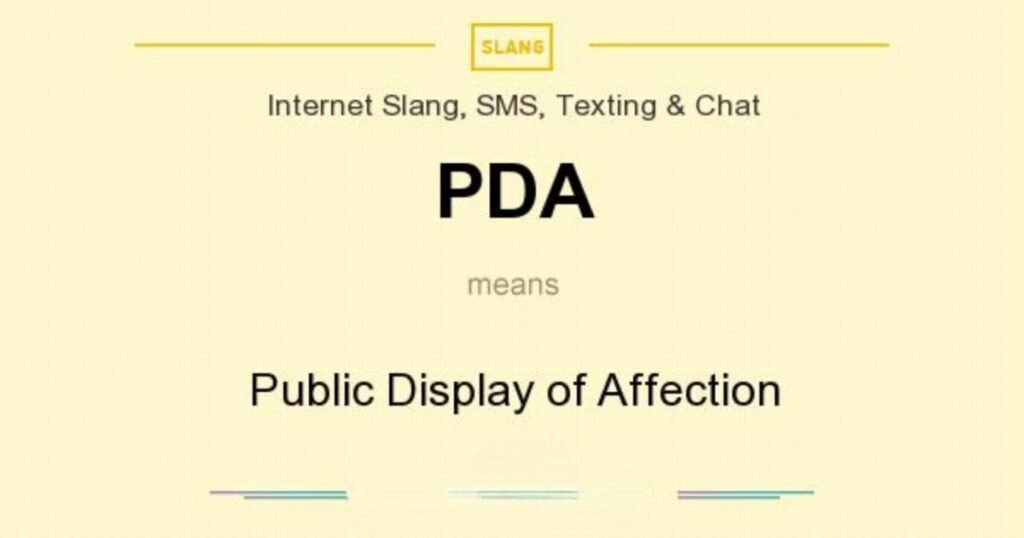
PDA in slang usually means Public Display of Affection, and people use it when talking about showing love or care in front of others. It includes simple actions like holding hands, hugging, or sharing sweet moments in public places. You might also see it used in conversations where someone mentions how couples behave openly around people.
In simple terms, PDA shows how people express their feelings without hiding them. In chat or social media, it can also mean posting romantic pictures or cute updates. Some people enjoy this kind of attention, while others feel uncomfortable with it. It really depends on personal choice, comfort level, and the situation.
PDA vs Public Display of Affection: Slang Differences
PDA vs Public Display of Affection can seem similar, but their usage in slang and formal language is slightly different. While both relate to showing affection, PDA slang meaning is more casual and often used in chats or social media.
Traditionally, Public Display of Affection refers to physical gestures like holding hands or hugging in public. However, in modern usage, especially in texting abbreviations and social media slang, PDA can also include online affection gestures like posting couple photos or romantic captions.
The interpretation may vary depending on the situation:
- In formal context, Public Display of Affection focuses on real-life actions, while PDA in chat may refer to digital PDA like messages or posts.
- PDA slang meaning is often used playfully among friends, but it can sometimes feel inappropriate in serious conversations.
- On platforms like TikTok PDA trends or Instagram couple posts, PDA becomes more visible and accepted, especially among younger users.
- Some people see PDA as a sweet way to express love, while others view it as unnecessary or uncomfortable in public spaces.
- In modern relationship slang, PDA can range from low-key gestures to over-the-top displays, depending on personality and cultural norms.
Read More ; Nice Meaning
Why People Use PDA Slang
Ever noticed how people type “PDA” in chats or social media posts and wondered why it’s so popular? The term isn’t just an abbreviation it’s a way for people to talk about showing affection openly, playfully, and sometimes digitally. Understanding PDA slang meaning helps you see why it has become a part of modern conversations.
People use PDA slang for several reasons, often mixing fun, expression, and connection. Think of it like sharing a cute couple meme with friends or joking about a low-key hug in public. Here are some key reasons why PDA slang is so common:
Expressing feelings quickly:
In texting and chat, typing “PDA” saves time while still letting someone know you noticed a cute or romantic gesture. It’s simple, clear, and playful.
Relatable social media references:
Platforms like Instagram and TikTok have made PDA part of online culture. People tag posts, share PDA memes, or comment on couple photos, making the term widely recognized.
Creating playful conversations:
Using PDA slang can lighten the mood. Friends or couples might joke about low-key or over-the-top gestures, making interactions more fun and relatable.
Reflecting modern relationship habits:
PDA isn’t just about public hugs anymore. Digital PDA, like posting sweet updates or tagging your partner, allows people to show affection even when they’re apart.
Setting social boundaries subtly:
Sometimes, people use PDA slang to signal comfort levels. For example, mentioning PDA jokingly can highlight whether someone enjoys low-key gestures or finds over-the-top displays too much.
In short, PDA slang has grown because it’s versatile, playful, and fits both online and offline expressions of affection. Understanding it can make conversations more fun and help you connect with friends or partners naturally.
Types of PDA in Slang
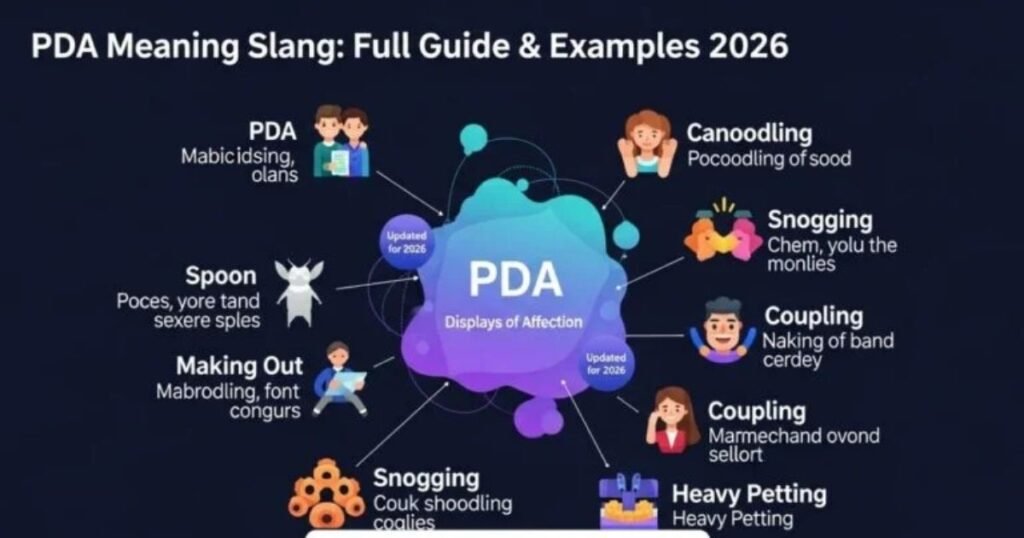
Ever noticed how people talk about PDA in chats or social media and wondered if there are different “types” of it? In slang, PDA isn’t just one thing—it’s a mix of gestures, digital posts, and playful expressions that show affection in various ways. Knowing the different types can help you understand the nuances of modern relationships and social interactions.
Here’s a breakdown of the most common types of PDA in slang:
Low-Key PDA:
This is subtle and understated. It might include small gestures like holding hands, a brief hug, or posting a cute but simple picture online. People who prefer privacy or don’t like attention often stick to this type.
Over-the-Top PDA:
Opposite of low-key, this type is bold and obvious. It includes public displays like hugging, kissing, or posting multiple couple pictures on Instagram or TikTok. Some people love the attention, while others find it too much.
Digital PDA:
This type exists mostly online. Texting sweet messages, tagging your partner in memes, or sharing romantic captions all count as digital PDA. It allows couples to show affection even when they’re physically apart.
Playful or Friendly PDA:
Not all PDA is romantic. Some friends tease each other with hugs, nicknames, or joking posts. In slang, this shows care and closeness without implying romance, making it fun and lighthearted.
Mixed PDA:
Many people combine these types depending on context. For example, someone might keep low-key gestures in public but post digital PDA on social media, striking a balance between privacy and expression.
In short, PDA in slang can take many forms subtle, bold, digital, playful, or a mix. Recognizing these types helps you understand how people communicate affection today, both online and offline, while keeping it fun and relatable.
PDA in Digital Communication
Digital communication has completely changed the way people show affection. PDA in digital communication refers to expressing love or care through online platforms, texts, or social media posts. Couples and friends use it to stay connected even when they’re apart. It’s an easy way to show emotions without being physically together, making relationships feel closer in everyday life.
Common examples of digital PDA include sending cute messages, sharing photos, or tagging a partner in posts. People also use captions and comments to express feelings publicly or privately. Platforms like Instagram, TikTok, and Facebook make it simple to show affection online while keeping interactions fun and engaging. Digital PDA has become a key part of modern social life.
Digital PDA can be playful, low-key, or even over-the-top, depending on comfort levels. Some people prefer subtle gestures, while others enjoy sharing every romantic moment online. It allows couples to communicate their feelings safely and creatively. Overall, digital PDA is a modern, flexible, and visible way to express love and connection in today’s online world.
PDA Etiquette in Modern Culture
PDA etiquette in modern culture is about showing affection respectfully. People enjoy expressing love, but it’s important to consider others around you. Simple gestures like holding hands or a quick hug are usually acceptable in public. Over-the-top displays, however, can make some people uncomfortable. Understanding social norms helps maintain balance between personal expression and public comfort.
In today’s digital world, etiquette also applies online. Posting couple photos or romantic messages should respect privacy and consent. Low-key or playful digital PDA is often appreciated, while excessive sharing can feel intrusive. Being mindful of timing, place, and audience ensures PDA remains enjoyable and appropriate in both real-life and online interactions.
Common PDA Slang Expressions
People often use PDA slang to describe affectionate gestures in chats, texts, or social media. These expressions make conversations playful, fun, and easy to understand, especially among friends or couples.
- Sharing couple selfies or cute photos online
- Sending flirty or loving messages in chat
- Tagging your partner in posts or stories
- Commenting on romantic moments with friends
- Using playful nicknames in texts
- Posting relationship memes or fun GIFs
- Highlighting low-key or subtle romantic gestures
PDA in Pop Culture

PDA in pop culture shows how affection is shared publicly in movies, TV shows, music, and social media. It often highlights couples holding hands, hugging, or showing love in ways that fans can relate to. Pop culture examples help people understand romantic gestures and inspire fun ways to express feelings.
On social media, PDA trends like TikTok videos or Instagram couple posts have become popular. Celebrities and influencers often set examples of playful or over-the-top PDA. These moments shape how younger generations view relationships and affection, blending real-life gestures with digital expressions to make love and care more visible and engaging.
Pros and Cons of PDA
PDA, or public displays of affection, can be fun and meaningful but may not always suit every situation. It has both positive and negative effects depending on context and comfort.
| Pros | Cons |
| Strengthens emotional connection between partners | Can make bystanders uncomfortable |
| Shows love and care openly | May attract unwanted attention |
| Encourages bonding and intimacy | Sometimes seen as inappropriate in public |
| Fun and playful way to express feelings | Can create social pressure |
| Boosts relationship confidence | Risk of over-sharing online |
| Helps communicate affection non-verbally | May lead to misunderstandings |
| Can inspire positive social trends | Cultural norms may restrict it |
Tips for Respectful PDA
Showing affection in public can feel wonderful, but it’s easy to cross boundaries without meaning to. Respectful PDA ensures both you and those around you feel comfortable. Whether online or offline, being mindful helps you enjoy romantic gestures without awkwardness or discomfort.
Here are some tips for respectful PDA that keep interactions fun and considerate:
- Know your surroundings: Always consider where you are. A quick hug or holding hands is fine in a park, but more intimate gestures might not be appropriate in crowded public spaces or professional settings.
- Read your partner’s comfort level: Everyone has different boundaries. Talk about what feels okay and what doesn’t. Respecting each other’s limits makes PDA more enjoyable and prevents misunderstandings.
- Balance online and offline PDA: Digital displays, like tagging your partner in posts or sharing cute captions, can be fun. However, avoid over-sharing private moments that might make others uncomfortable or invade privacy.
- Keep gestures playful and light: Subtle gestures like small kisses, hand-holding, or gentle touches often feel sweet and respectful. Over-the-top actions can draw unwanted attention and make others uneasy.
- Be mindful of cultural norms: Different cultures and communities have varying expectations about public displays of affection. Understanding these norms ensures your PDA is appropriate and considerate in every setting.
In short, respectful PDA is all about awareness, consent, and balance. By keeping these tips in mind, you can enjoy expressing love openly while making everyone around you feel comfortable and at ease.
PDA and Relationship Psychology
Ever noticed how a simple hug, hand-hold, or couple post online can make you feel closer to someone? That’s the psychology behind PDA. Public displays of affection aren’t just about showing love they also affect emotions, attachment, and how partners connect with each other. Understanding PDA and relationship psychology can help couples build stronger bonds.
Here’s why PDA plays a role in relationships:
Boosts emotional connection:
Sharing affection, even subtly, releases oxytocin—the “bonding hormone.” This helps partners feel closer and more secure in their relationship. For example, a quick kiss in public can make both people feel supported and loved.
Signals commitment:
PDA acts as a visible sign of care and loyalty. When partners hold hands or post cute photos online, it shows others and themselves that they are committed, which can strengthen trust.
Influences attachment styles:
People with different attachment styles respond differently to PDA. Some enjoy visible affection, while others prefer low-key gestures. Understanding your partner’s comfort level can prevent misunderstandings and improve communication.
Supports relationship satisfaction:
Couples who express love openly, both offline and online, often report higher satisfaction. Small gestures, playful texts, or digital PDA can reinforce intimacy and fun in everyday life.
Balances personal and social needs:
PDA satisfies both emotional needs and social signaling. It lets partners share love privately or publicly, depending on their personalities, cultural norms, or social circles.
In short, PDA isn’t just a cute gesture it’s a psychological tool that strengthens bonds, builds trust, and enhances intimacy. Being mindful of how and when you show affection helps both partners feel valued and connected.
Fun PDA Facts
PDA isn’t just about romance it can be fun and surprising in many ways. People often enjoy small gestures like holding hands, sharing hugs, or posting cute couple photos online. These actions create playful moments that make relationships feel lighter and more joyful. Fun PDA adds excitement, laughter, and connection, helping partners feel closer and more engaged in everyday life.
Social media has made PDA even more playful and creative. TikTok challenges, Instagram couple posts, or tagging partners in funny memes are common examples. Even low-key gestures, like teasing texts or playful nicknames, count as PDA. These small, thoughtful acts can strengthen bonds, create shared memories, and make relationships feel lively, fun, and full of affection in both public and private moments.
Read More ; Nice Meaning
When you’re looking for a relationship, there’s no comparison
When you’re looking for a relationship, it’s important to focus on genuine connection rather than comparing yourself or your partner to others. Every relationship is unique, and love grows in its own way. Trying to copy what you see online or in social media can create unrealistic expectations and unnecessary pressure.
Instead, pay attention to shared values, trust, and communication. Celebrate small moments of affection, like thoughtful texts or kind gestures. Low-key PDA, playful interactions, and mutual respect matter more than flashy displays. Building a relationship on understanding and care creates stronger, longer-lasting bonds that feel natural and meaningful, without needing to measure up to anyone else.
PDA in Relationships: Context and Comfort Levels
PDA in relationships refers to how couples show affection in public or online, including gestures, texts, or social media posts. Understanding context and comfort levels is key, as not everyone feels the same about visible or digital PDA. Respecting boundaries helps maintain trust and harmony in any relationship.
The interpretation may vary depending on the situation:
- Personal comfort: Some partners enjoy low-key PDA like hand-holding or short hugs, while others prefer minimal public affection. Recognizing these preferences avoids discomfort.
- Social setting: Public spaces, professional environments, or family gatherings may require subtle gestures, while private settings allow more freedom.
- Digital expressions: Posting couple photos, sharing captions, or sending flirty messages counts as PDA. Some people love it; others may find it intrusive.
- Cultural norms: Different cultures have varying expectations about PDA. Awareness helps avoid misunderstandings and shows respect for traditions.
- Balance in relationship: Too much PDA, whether public or online, can feel overwhelming. Finding the right mix ensures both partners feel valued without pressure.
Understanding PDA in relationships requires communication, empathy, and awareness. Respecting context and comfort levels strengthens bonds and makes affection meaningful, enjoyable, and appropriate for both partners.
Is PDA Healthy in a Relationship?
PDA can be healthy in a relationship when it is mutual and respectful. Small gestures like holding hands, hugging, or sharing sweet messages help partners feel loved and connected. It strengthens emotional bonds and builds trust, making both people feel valued and supported in the relationship.
However, too much PDA can sometimes create discomfort or pressure. Some people prefer privacy and may feel overwhelmed by constant public or digital displays of affection. The key is balance understanding each other’s boundaries ensures PDA remains positive, fun, and meaningful without causing stress or awkwardness in the relationship.
Why Understanding PDA Matters
Understanding PDA matters because it helps couples express love in ways that feel comfortable and meaningful. Knowing the difference between low-key gestures, playful interactions, or digital posts can prevent misunderstandings. It also allows partners to connect emotionally while respecting each other’s boundaries and comfort levels.
Being aware of PDA helps improve communication and trust. When both people understand each other’s preferences, affection becomes more enjoyable and natural. Whether in public, online, or private settings, mindful PDA strengthens relationships, reduces awkwardness, and makes love feel appreciated and balanced for both partners.
Polite, Professional, and Casual Alternatives to Express Affection
Expressing affection doesn’t always require physical gestures. Polite alternatives include kind words, compliments, thoughtful notes, or small acts of consideration. These gestures show care without being overly personal, making them suitable in social settings or around acquaintances. Using polite expressions helps maintain respect while still conveying warmth, friendliness, and emotional support, allowing connections to grow naturally without discomfort or awkwardness.
In professional settings, showing affection requires careful attention to boundaries. Simple gestures like a smile, nod, or encouraging email can communicate support and appreciation without crossing lines. Maintaining respect in these contexts ensures coworkers feel comfortable and valued. Professional alternatives to PDA focus on kindness, acknowledgment, and encouragement, strengthening relationships in the workplace while keeping interactions appropriate and positive.
Casual alternatives to express affection are more relaxed and playful. Sharing funny messages, sending memes, giving high-fives, or playful hugs are ways to show closeness among friends or partners. These gestures strengthen bonds, build trust, and make interactions fun. Casual expressions of affection allow people to connect emotionally while keeping the mood light, enjoyable, and natural in everyday life.
Tips for Navigating PDA in 2026
Ever wonder how PDA fits into relationships in 2026? With social media, texting, and changing social norms, expressing affection has become both easier and more complicated. Navigating PDA today requires balance, respect, and awareness. Understanding how to show love publicly or digitally helps you maintain a healthy connection while keeping interactions fun and comfortable.
Here are some practical tips for navigating PDA in 2026:
- Understand comfort levels: Everyone has different boundaries. Talk with your partner about what feels okay in public, online posts, or texts. Respecting each other’s limits prevents awkward situations and builds trust.
- Be mindful of social and cultural contexts: Public displays of affection may be welcomed in some settings and frowned upon in others. Consider where you are—professional events, family gatherings, or public spaces to keep gestures appropriate.
- Use digital PDA thoughtfully: Sharing photos, tagging your partner, or posting captions online is fun but can be intrusive if overdone. Keep digital gestures balanced and ensure both partners are comfortable with public visibility.
- Mix low-key and playful gestures: Not every PDA moment needs to be dramatic. Subtle hand-holding, quick hugs, or teasing messages can be just as meaningful. Playful gestures strengthen bonds without overwhelming others.
- Adapt to changing norms: Social trends and technology constantly influence how people show affection. Stay aware of TikTok PDA trends, Instagram couple posts, and texting slang, but always prioritize consent and mutual comfort over following trends.
In short, navigating PDA in 2026 is about awareness, respect, and creativity. By balancing digital and real-life gestures, understanding your partner’s comfort, and adapting to social norms, you can enjoy showing love while keeping it meaningful, fun, and appropriate.
10 Examples of PDA Slang Usage in 2026 Conversations
PDA slang is widely used in 2026 to describe affectionate gestures in chats, texts, and social media. These phrases make conversations playful, clear, and relatable among friends and couples.
| Example # | PDA Slang Usage |
| 1 | “Couple goals alert!” ;commenting on a cute partner photo |
| 2 | “Low-key PDA happening here” ;noticing subtle affection |
| 3 | “Digital hugs sent” ;sending virtual care through messages |
| 4 | “Swipe for PDA moments” ;sharing couple highlights online |
| 5 | “Playful PDA incoming” ;teasing about affectionate behavior |
| 6 | “Caught PDA vibes” ;observing romantic gestures in public |
| 7 | “Over-the-top PDA spotted” ;noticing bold gestures or posts |
| 8 | “PDA caption game strong” ;praising social media posts |
| 9 | “Texting PDA” ;sending flirty or loving messages |
| 10 | “Sharing PDA memes” ;using humorous posts to show affection |
FAQs.
Why is PDA Meaning important in relationships?
PDA Meaning is important because it helps partners express love openly, build trust, and feel emotionally connected. Thoughtful gestures and playful interactions strengthen the bond naturally.
Can PDA Meaning be digital?
Yes, PDA Meaning can be digital, like sending cute texts, tagging your partner online, or sharing romantic posts. Digital PDA keeps affection visible even when apart.
What are examples of PDA Meaning?
Examples of PDA Meaning include holding hands, hugging, posting couple photos, sending flirty texts, sharing playful memes, or leaving sweet comments on social media.
How does PDA Meaning affect partners?
PDA Meaning affects partners by boosting emotional connection, increasing feelings of closeness, and signaling care and commitment, whether expressed publicly, privately, or digitally.
Is PDA Meaning always appropriate?
PDA Meaning is not always appropriate. Comfort levels, social settings, and cultural norms matter. Respecting boundaries ensures affection remains positive and enjoyable for everyone involved.
Conclusion
Understanding PDA helps you see how people show love and affection in real life and online. PDA includes gestures, texts, and social media posts that express care. The term has grown popular because it’s simple, playful, and easy to use. Knowing PDA Meaning can help couples connect better and communicate their feelings naturally.
PDA is not just physical it can be digital too. The pda full form in social media includes posting couple photos, captions, or sharing romantic moments online. The pda full form in chat covers sweet texts and playful messages. The pda full form slang is used casually among friends or partners. The pda full form in love shows romantic care. The pda couple full form represents Public Display of Affection, highlighting gestures that strengthen bonds and make relationships meaningful. Understanding PDA Meaning ensures love is expressed safely and respectfully.