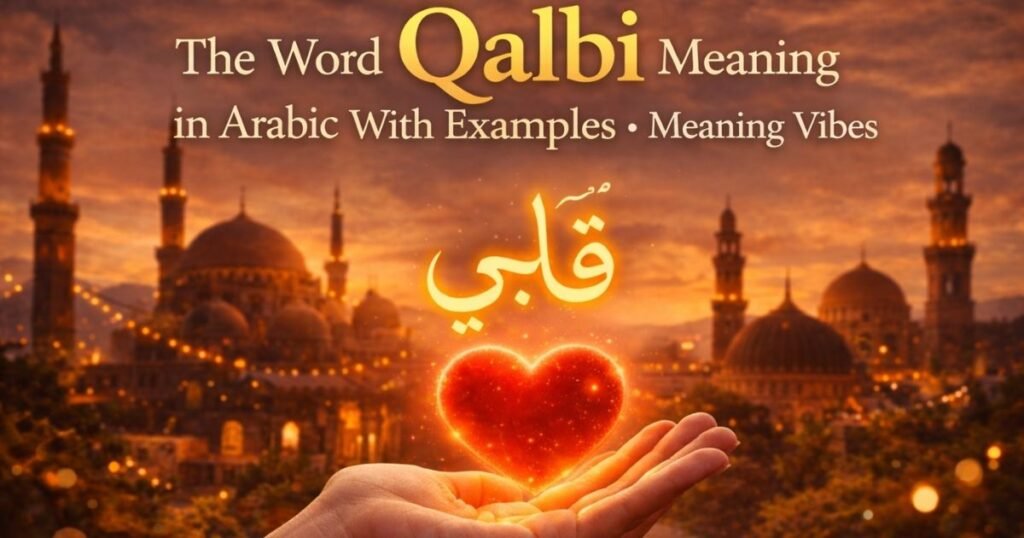

Sometimes a single word can touch the heart deeply and leave you curious. Many people search Qalbi Meaning after hearing it in songs, poetry, or messages. The soft emotional tone makes people wonder about the meanings of qalbi and yaqalbi . It often appears when emotions feel strong but words feel limited. That curiosity usually comes from a personal feeling or moment.
This blog is written to give clear and comforting answers. You will learn qalbi meaning in arabic, understand qalbi in arabic, and clearly see the meaning of yaqalbi in urdu. Each explanation is simple and human. The goal is to help you connect the word with emotion, culture, and real life use, so everything finally makes sense.
The Meaning of “Qalbi” in Arabic
The word “Qalbi”
Pronunciation: qal bee
Qalbi comes from Arabic and literally means “my heart.” It is a word full of love and emotion. People often use it to show affection, care, or a deep connection. Saying qalbi expresses warmth and closeness naturally. It’s not just a word it carries feelings directly from the heart, making every message more personal and touching.
Qalbi appears in everyday conversations, letters, texts, and even songs. It adds a gentle, emotional touch whenever you speak or write it. Using qalbi shows sincerity, love, and respect. In poetry, casual chats, or romantic notes, this simple word carries strong meaning. It’s a way to let someone know they truly matter to you.
Linguistic Root and Grammatical Usage
Have you ever wondered why the word “Qalbi” feels so personal and meaningful every time you hear it? Its power isn’t just in its translation it’s deeply connected to the structure of the Arabic language itself. Understanding its linguistic root and grammar helps you see why this simple word carries so much emotion.
Pronunciation: qal bee
At its core, qalbi comes from the root “qalb”, which means “heart” in Arabic. By adding the suffix “ i”, it becomes possessive, literally translating to “my heart.” This small grammatical change transforms the word into an intimate expression of love or closeness. Here’s a closer look at how it works:
Root Meaning:
The three letter root Q L B forms the foundation of many related words in Arabic. It doesn’t just mean the physical heart; it often refers to emotions, feelings, and spiritual depth. Think of it as a family of words connected by the same emotional core.
Possessive Form:
Adding “ i” to qalb creates qalbi, which means “my heart.” This is a common way in Arabic to show personal connection. For example, “qalbi yuhibbuka” means “my heart loves you,” turning an abstract idea into a personal statement.
Grammatical Flexibility:
Qalbi can be used on its own as a term of endearment, or within sentences to express deep emotion. It can appear in poetry, casual conversation, and even song lyrics, showing how versatile Arabic grammar makes heartfelt communication.
Cultural Depth:
In Arabic speaking cultures, using possessive forms like qalbi is a subtle way of expressing intimacy and affection. Unlike English, where “my heart” is mostly figurative, in Arabic it carries both emotional and cultural weight, making the phrase more heartfelt.
Linguistic Insight:
Interestingly, the root Q L B also appears in words related to change or turning. This metaphorically links the heart to emotional shifts, showing how language and culture intertwine to give words layers of meaning.
In short, qalbi isn’t just a word; it’s a linguistic expression of closeness, emotion, and culture. Understanding its root and grammar lets you appreciate how a single word can carry so much depth, making your use of qalbi feel more meaningful and heartfelt.
Examples of “Qalbi” in Arabic Sentences
The word “Qalbi” is often used to express love, care, and affection in everyday Arabic. It can appear in messages, songs, or casual conversations, making statements feel warm and personal.
| # | Arabic Phrase | Meaning in English | Usage Context |
| 1 | Qalbi ma’ak | My heart is with you | Showing support or comfort |
| 2 | Ana uhibbuka ya qalbi | I love you, my heart | Romantic expression |
| 3 | Qalbi farhan jiddan | My heart is very happy | Expressing joy |
| 4 | Tafaddal qalbi | My heart welcomes you | Greeting someone warmly |
| 5 | Ya qalbi, la tansa | Oh my heart, don’t forget | Reminding affectionately |
| 6 | Qalbi yuhibb al sadaqa | My heart loves kindness | Talking about values or emotions |
| 7 | Fi qalbi dayman | Always in my heart | Showing emotional attachment |
Spiritual Meaning of “Qalbi” in Islam

In Islam, “Qalbi” refers to the heart, not just as a physical organ but as the center of emotions, faith, and spirituality. It represents a person’s intentions, sincerity, and connection to Allah. Understanding qalbi in Arabic helps Muslims reflect on their inner self and moral guidance.
The interpretation may vary depending on the situation:
Seat of Faith:
In Islamic teachings, the heart is considered the core of belief. A pure qalbi reflects strong iman (faith) and a close relationship with Allah.
Moral Compass:
Qalbi guides actions and decisions. A troubled heart may lead to doubt or sinful behavior, while a sincere heart promotes ethical living.
Emotional Awareness:
The heart symbolizes emotions like love, gratitude, and compassion. Practicing mindfulness of qalbi encourages empathy toward others.
Spiritual Vulnerability:
A weak or hardened qalbi can make one susceptible to negative influences, such as pride or hatred. Maintaining a soft heart is spiritually recommended.
Reflection and Growth:
Muslims often recite prayers and dhikr to cleanse the qalbi. This spiritual practice strengthens patience, humility, and inner peace.
By understanding the spiritual meaning of qalbi, individuals can better connect with their faith and personal development. It shows how Arabic words for the heart carry both emotional and spiritual significance in daily life and religious practices.
Cultural and Quranic Significance of “Qalbi”
The word “Qalbi” holds a special place in both Arabic culture and Islamic tradition. It represents not only the physical heart but also emotions, sincerity, and moral values. People often use it to express love, compassion, and deep personal connections in daily life and cultural practices.
Qalbi is frequently mentioned in the Quran and Islamic literature. It symbolizes a heart that understands, feels, and follows guidance. A pure qalbi reflects faith, patience, and devotion. Using it in prayers or reflections strengthens one’s spiritual awareness and connection with Allah.
Culturally, qalbi appears in poetry, songs, and greetings across Arabic speaking communities. It conveys warmth and closeness in relationships. Saying qalbi shows respect, care, and heartfelt emotion. This combination of cultural and Quranic significance makes the word deeply meaningful and widely appreciated.
Quranic Reflection (Summary):
In the Quran, the word “Qalbi” represents the heart as the center of faith, understanding, and sincerity. It highlights the importance of keeping a pure heart. A healthy qalbi leads to good intentions, strong belief, and spiritual clarity in life.
The Quran teaches that hearts can be softened or hardened. Reflecting on qalbi encourages self awareness, empathy, and mindfulness. It reminds believers to nurture love, patience, and devotion. Using qalbi in prayers and daily life strengthens the connection with Allah and promotes inner peace.
Qalbi in Everyday Life and Language
Have you noticed how a single word can carry so much emotion? Qalbi is one of those words. In Arabic, it’s more than just “my heart” it expresses care, affection, and connection in everyday life. People use it in conversations, messages, and songs to show genuine feelings.
Here’s how qalbi appears in daily language:
- Casual Conversations: People often say “ya qalbi” to greet loved ones warmly. It’s like saying “my dear” or “my heart” in a friendly, personal way.
- Expressing Affection: Whether in family chats or romantic messages, qalbi adds a tender touch. A parent might say, “Come here, qalbi,” showing love and closeness.
- In Music and Poetry: Songs and poetry often use qalbi to convey deep emotions. Lyrics with qalbi feel personal and heartfelt, creating strong emotional resonance.
- Cultural Context: Using qalbi reflects cultural warmth and respect. In Arabic speaking communities, it’s common to use it to strengthen bonds and show sincerity.
- Everyday Expressions: Beyond love, qalbi can describe feelings like joy, sorrow, or concern. Saying “qalbi farhan” (my heart is happy) makes emotions clear and relatable.
In short, qalbi isn’t just a word it’s a bridge between hearts. Using it naturally can make your conversations warmer, more expressive, and deeply personal.
You May Also Like; Nice Meaning
Ya Qalbi Meaning in Urdu
The phrase “Ya Qalbi” in Urdu means “اے میرے دل” (O my heart). It is used to express love, care, or deep affection toward someone. People often use it in conversations, poetry, or messages to show genuine emotions and warmth.
In everyday Urdu, Ya Qalbi can refer to a loved one, a family member, or a close friend. Using it shows closeness and sincerity. It’s a simple phrase, but it carries strong emotional meaning in Urdu speaking communities.
| Example Use of “Ya Qalbi” |
| A mother lovingly calls her child: “آؤ یہاں، Ya Qalbi” (Come here, O my heart) |
| A friend comforting someone: “پریشان نہ ہو، Ya Qalbi” (Don’t worry, O my heart) |
| Romantic use in poetry: “تم ہمیشہ میرے دل میں ہو، Ya Qalbi” (You are always in my heart, O my heart) |
Ya Qalbi Meaning in Arabic
The phrase “Ya Qalbi” in Arabic literally means “O my heart.” It is used to express love, care, and deep affection toward someone special. People use it in conversations, poetry, or songs to show sincere feelings. Saying Ya Qalbi adds warmth, emotional depth, and personal connection in both casual and romantic contexts.
In everyday Arabic, Ya Qalbi can refer to a loved one, a close friend, or a family member. Using this phrase shows affection and emotional closeness. It makes interactions more personal and heartfelt. Whether in messages, poetry, or spoken words, Ya Qalbi communicates love, care, and sincerity in a simple yet meaningful way.
Ya Qalbi Meaning in English
The phrase “Ya Qalbi” in English means “O my heart.” It is used to express love, care, and deep affection for someone. People often say it in conversations, messages, or poetry to show genuine feelings. Using Ya Qalbi adds warmth and emotional connection to everyday interactions.
In English contexts, Ya Qalbi can be used for a loved one, a close friend, or a family member. It communicates closeness, sincerity, and personal attachment. Whether spoken or written, Ya Qalbi conveys heartfelt emotions simply and naturally, making the relationship feel more intimate and meaningful.
Ya Hayati Meaning
The phrase “Ya Hayati” in Arabic means “O my life”. It is used to show deep love and affection. People often use it for someone very special, like a partner, close friend, or family member. Saying Ya Hayati expresses emotional closeness and warmth.
In everyday conversations, Ya Hayati is often used in romantic messages, poetry, or songs. It shows how much someone means to you. Using this phrase makes your feelings feel personal and heartfelt. It adds sincerity and emotional depth to interactions.
Culturally, Ya Hayati is common in Arabic speaking communities. It strengthens bonds and shows care. People use it to convey devotion, love, and respect. Whether in letters, messages, or speech, Ya Hayati communicates strong affection in a natural and meaningful way.
Ya Rouhi Meaning
The phrase “Ya Rouhi” in Arabic literally means “O my soul.” It is used to show deep love, care, and emotional connection toward someone very special. People often say it to a partner, a close friend, or a family member. Using Ya Rouhi makes words feel heartfelt and adds warmth and sincerity to conversations, texts, or messages.
In everyday Arabic, Ya Rouhi appears in poetry, songs, and messages. It expresses devotion, affection, and emotional closeness naturally. Saying Ya Rouhi shows that someone truly matters to you. This phrase creates a personal bond and reflects cultural significance. It communicates feelings that are both intimate and meaningful in daily life.
Qalbi in Arabic
The word “Qalbi” in Arabic means “my heart.” It is commonly used to express love, care, and emotional connection. People use it in conversations, messages, poetry, and songs. Saying Qalbi adds warmth and sincerity to your words. It makes interactions feel personal and heartfelt, showing genuine feelings toward someone special.
In everyday life, Qalbi appears in both casual and romantic contexts. It can refer to a partner, family member, or close friend. Using Qalbi reflects affection and emotional closeness. This simple word carries deep meaning in Arabic culture and helps people communicate emotions naturally and meaningfully in daily conversations and expressions.
Fi Qalbi Meaning
The word “Qalbi” in Arabic means “my heart.” It is commonly used to express love, care, and emotional connection. People use it in conversations, messages, poetry, and songs. Saying Qalbi adds warmth and sincerity to your words. It makes interactions feel personal and heartfelt, showing genuine feelings toward someone special.
In everyday life, Qalbi appears in both casual and romantic contexts. It can refer to a partner, family member, or close friend. Using Qalbi reflects affection and emotional closeness. This simple word carries deep meaning in Arabic culture and helps people communicate emotions naturally and meaningfully in daily conversations and expressions
My Qalbi Meaning
The phrase “My Qalbi” means “my heart” in Arabic. It is often used to express love, care, and deep affection. People use it in conversations, messages, or poetry to show personal emotions. Saying My Qalbi makes the words feel warm and heartfelt, connecting deeply with someone special.
In everyday use, My Qalbi can refer to a partner, family member, or close friend. It expresses emotional closeness and sincerity naturally. Using this phrase adds meaning to messages, songs, or letters. It is simple, yet powerful, helping people communicate love and care in a personal and meaningful way.
Qalbi Meaning in Arabic Pronunciation
The word “Qalbi” means “my heart” in Arabic. Pronouncing it correctly is important to express care and affection naturally. Saying it the right way helps your words feel sincere and heartfelt.
The separate pronunciation of each part:
- Qal → qāl (like a soft “k” sound from the back of the throat, held slightly long)
- Bi → bee (like the English word “bee,” short and clear)
Tips for clear pronunciation:
- Say Qal slowly and from the throat for accuracy.
- Follow immediately with Bi clearly, not too fast.
- Practice saying Qal bi together smoothly to sound natural.
- Listen to native speakers to match rhythm and intonation.
- Using it correctly shows respect for Arabic and conveys genuine emotion.
Mastering the pronunciation of Qalbi ensures your expression of love, care, and emotion is clear, heartfelt, and culturally accurate.
How to Pronounce “Ya Hayati” Easily
The phrase “Ya Hayati” in Arabic means “O my life” and is commonly used to express love and affection. Learning the correct pronunciation is important to convey emotion naturally and make your speech sound authentic. Understanding how to say Ya Hayati correctly improves both conversations and written expressions.
The interpretation may vary depending on the situation:
- Break it into parts: Pronounce it as Ya Ha ya ti. Saying each syllable slowly at first helps you master the word clearly.
- Focus on “Hayati”: The “Ha” should be soft from the throat, “ya” light and short, and “ti” crisp at the end. Proper emphasis ensures it sounds natural.
- Practice in context: Use Ya Hayati in messages, poetry, or casual conversations. Listening to native speakers can help match rhythm and tone.
- Emotional tone matters: Pronunciation affects emotional impact. A clear and gentle tone makes it sound affectionate, while a rushed or mispronounced version may lose meaning.
- Cultural understanding: Correct pronunciation shows respect for Arabic culture and language. It enhances sincerity and helps convey heartfelt emotion accurately.
Mastering the pronunciation of Ya Hayati ensures your words are understood, heartfelt, and culturally appropriate. Practicing slowly, listening carefully, and repeating regularly will help you say it naturally and confidently.
How to Pronounce “Ya Rouhi” Easily
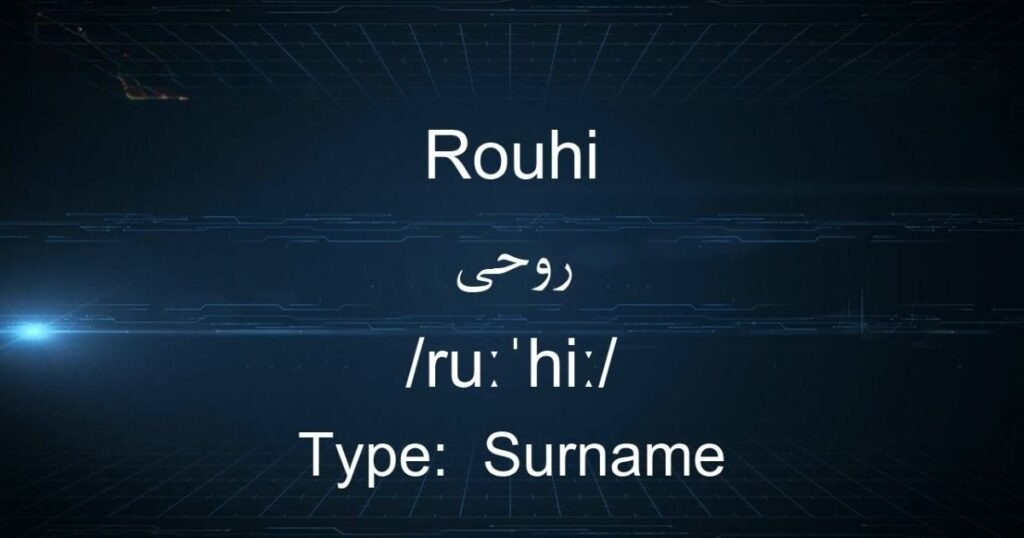
“Ya Rouhi” means “O my soul” in Arabic. It’s a warm, affectionate phrase used to show love or care. Saying it correctly makes your words feel heartfelt and natural. If you mispronounce it, the emotion behind it can get lost.
The interpretation may vary depending on the situation:
- Break it down: Say it slowly as Ya Rou hi. Focusing on each part first helps you get it right.
- Sound of “Rou”: Round your lips slightly and hold the “Rou” sound lightly. It gives the word a soft, natural tone.
- End with “hi”: Keep the last syllable short and clear. It completes the phrase gently and makes it sound affectionate.
- Use in real life: Practice in messages, poems, or conversations. Listening to native speakers can help you match rhythm and flow.
- Tone matters: A calm, soft voice makes it sound loving. Rushing it or stressing the wrong part can make it lose meaning.
With a little practice, Ya Rouhi becomes easy to say naturally. Breaking it into parts, repeating it slowly, and paying attention to the tone will help your words sound genuine and full of emotion.
How to Pronounce “Qalbi” Easily
The word “Qalbi” in Arabic means “my heart” and is widely used to express love, care, and affection. Pronouncing it correctly is important to convey emotion naturally. Proper pronunciation ensures your words feel personal and heartfelt, whether in conversation, messages, poetry, or songs.
The interpretation may vary depending on the situation:
- Break it down: Say it slowly as Qal bi. Focusing on each syllable first helps you get it right and sound natural.
- Emphasize the “Qal”: The “Q” is pronounced from the back of the throat, slightly firm but soft. This is key to sounding authentic.
- Finish with “bi”: Keep the last syllable short and clear. This completes the word gently and makes it sound affectionate.
- Practice in context: Using Qalbi in conversations, poetry, or messages helps you remember the pronunciation and emotional tone.
- Cultural nuance: Accurate pronunciation shows respect for Arabic language and culture. Mispronouncing it may reduce the word’s emotional impact.
Mastering Qalbi pronunciation ensures your words convey sincerity and affection. With regular practice, paying attention to each syllable, and listening to native speakers, you can say it confidently and naturally.
Common Misunderstandings or Mistakes
It’s easy to think you’re using Arabic words like Qalbi, Ya Hayati, or Ya Rouhi correctly, but small mistakes can completely change the meaning. Even native speakers notice subtle errors. Mispronunciations or wrong contexts can make affectionate phrases sound awkward or confusing. Understanding these common pitfalls helps you communicate sincerely and confidently.
Here are some common misunderstandings:
Mixing similar phrases:
Words like Qalbi (my heart) and Ya Hayati (my life) express affection, but they are not interchangeable. Using them in the wrong context may confuse the listener or sound insincere.
Incorrect pronunciation:
The letters in Arabic often come from the throat, and stressing the wrong syllable can change the word’s feel. For example, saying Kalbi instead of Qalbi shifts the meaning entirely.
Overusing affectionate terms:
Saying Ya Rouhi too often or in formal situations may seem overly casual or inappropriate. Timing and context matter, especially in conversations with elders or strangers.
Literal translations:
Translating these phrases word for word into English or Urdu may lose the emotional nuance. Qalbi isn’t just “my heart”; it carries warmth, care, and cultural significance.
Ignoring cultural etiquette:
These phrases are affectionate, so using them incorrectly can feel disrespectful. Understanding when and how to use them shows cultural awareness and respect for Arabic language traditions.
Small mistakes can make a big difference, but learning these common pitfalls helps you communicate clearly and warmly. With practice, attention to pronunciation, and understanding the cultural context, you can use words like Qalbi, Ya Hayati, and Ya Rouhi naturally and confidently.
How to Use “Qalbi” in Conversations
Have you ever wanted a simple word that instantly makes your words feel warm and personal? Qalbi is that word. It means “my heart” in Arabic and is perfect for expressing affection, care, or closeness in everyday conversations. Using it naturally can make your speech feel heartfelt and genuine.
Here’s how to use Qalbi effectively:
Casual Greetings:
When talking to friends or loved ones, start with “Ya Qalbi” to greet warmly. For example, “Hello, Ya Qalbi, how was your day?” It’s friendly, affectionate, and immediately personal.
Expressing Affection:
Use Qalbi to show care. A parent might say, “Come here, Qalbi,” or a partner might say it in a sweet message. It conveys love without needing a long explanation.
In Poetry or Messages:
Qalbi works beautifully in written form too. In poems, letters, or chats, it emphasizes emotional depth. For instance, “You’re always in my thoughts, Qalbi” sounds tender and genuine.
Be Mindful of Context:
While affectionate, Qalbi isn’t always suitable in formal settings. Avoid using it with strangers or in professional situations unless culturally appropriate. Timing and tone are key.
Blend With Other Words:
Combine Qalbi with phrases like “Ya Rouhi” or “Ya Hayati” to express deeper emotions. For example, “Ya Qalbi, Ya Hayati” sounds intimate and poetic, perfect for heartfelt conversations.
Using Qalbi in conversations adds warmth, emotion, and cultural nuance to your words. With a little practice, you can say it naturally, making your interactions feel personal, sincere, and deeply connected.
Why You Should Learn “Qalbi”
Learning Qalbi helps you express love, care, and emotional closeness in Arabic. It is a simple word, yet it carries deep meaning. Using Qalbi correctly makes your conversations feel warm, personal, and heartfelt. Whether in messages, poetry, or everyday speech, it allows you to connect with others on a meaningful level.
Understanding Qalbi also gives insight into Arabic culture. It reflects respect, affection, and tradition. Knowing when and how to use it prevents misunderstandings and helps you communicate naturally. Learning Qalbi improves your Arabic fluency, enhances emotional expression, and makes interactions with loved ones or friends more genuine and culturally aware.
How the Qalbi Meaning in Arabic Reflects Culture
Have you ever noticed how a single word can carry centuries of emotion and tradition? Qalbi, meaning “my heart,” is one of those words in Arabic. It’s not just about love—it reflects warmth, respect, and closeness that are deeply woven into Arabic culture. Using it naturally shows more than feelings; it shows cultural awareness.
Here’s how Qalbi reflects culture:
Emphasis on Emotional Connection:
In Arabic culture, expressing emotions openly is valued. Saying Qalbi to a loved one or close friend signals genuine care and strengthens bonds. It’s not just words; it’s a cultural way of showing closeness.
Family and Respect:
Families often use Qalbi to address children, siblings, or elders affectionately. It reflects the importance of nurturing relationships and showing love within the household.
Romantic and Poetic Tradition:
Arabic poetry and music frequently include Qalbi, showing how emotions are celebrated artistically. Its use connects everyday language to centuries of literary and cultural expression.
Community and Friendship:
Beyond romance, Qalbi appears in friendly greetings and conversations. It mirrors a culture that values warmth, hospitality, and personal connection even in casual interactions.
Cultural Nuance:
Using Qalbi correctly demonstrates respect for Arabic linguistic traditions. Misusing it can sound awkward, while using it naturally shows understanding of both language and culture.
In short, the word Qalbi is much more than “my heart.” It embodies affection, respect, and emotional depth, reflecting the values and traditions of Arabic speaking communities. Learning its proper use helps you connect emotionally and culturally, making your interactions more meaningful and heartfelt.
Why the Qalbi Meaning in Arabic Matters to Learners
Have you ever wondered why some words carry more emotion and depth than others? Qalbi, meaning “my heart,” is one of those words in Arabic. For learners, understanding it goes beyond translation it opens a door to culture, emotion, and authentic communication. Using it correctly can make your Arabic sound natural and heartfelt.
Here’s why Qalbi matters for learners:
Builds Emotional Connection:
Learning Qalbi helps learners express affection and warmth naturally. Using it in conversations or messages shows sincerity, which is often missing in literal translations.
Enhances Cultural Understanding:
Words like Qalbi reflect Arabic traditions of love, respect, and closeness. Knowing when and how to use it teaches learners about social norms and emotional etiquette.
Improves Communication Skills:
Pronouncing and using Qalbi correctly adds fluency. It helps learners sound more authentic and confident when speaking, rather than relying on textbook phrases.
Connects to Literature and Art:
Qalbi appears often in Arabic poetry, songs, and literature. Recognizing it deepens appreciation for cultural expressions and shows learners the emotional richness of the language.
Avoids Misunderstandings:
Understanding the nuances of Qalbi prevents misuse in conversations. Learners can avoid sounding overly casual, awkward, or insincere, ensuring their words convey the intended feeling.
In short, learning the meaning and use of Qalbi is more than memorizing a translation. It helps learners communicate with warmth, connect culturally, and enjoy the richness of Arabic language and traditions. Using it correctly turns ordinary conversations into heartfelt connections.
Frequently Asked Questions
How do I pronounce Qalbi Meaning correctly?
Pronouncing Qalbi Meaning correctly ensures your words sound authentic and sincere. Breaking it into syllables and practicing slowly helps you convey warmth, care, and emotional connection naturally.
Can Qalbi Meaning be used with friends?
Yes, Qalbi Meaning can be used with friends to show care and affection. It adds warmth and sincerity without sounding overly romantic or formal in casual interactions.
Why is learning Qalbi Meaning important for learners?
Understanding the Qalbi Meaning helps learners communicate affection naturally. Using it correctly enhances speech fluency, cultural awareness, and emotional expression in everyday conversations.
How is Qalbi Meaning used in poetry or songs?
In poetry and songs, Qalbi Meaning conveys love, longing, and deep emotion. Using it adds beauty, emotional depth, and cultural richness to Arabic literature and musical expressions.
Can Qalbi Meaning be combined with other phrases?
Yes, combining Qalbi Meaning with phrases like Ya Rouhi or Ya Hayati strengthens emotional expression. It creates heartfelt, meaningful statements in both writing and conversation.
Conclusion
The word Qalbi Meaning shows love, care, and emotional closeness. It is a simple way to express heartfelt feelings. Learning it helps you connect with family, friends, and loved ones naturally. Using it in messages, conversations, or poetry adds warmth and sincerity. Everyone should practice it to speak more genuinely and avoid mistakes.
In daily life, understanding the Qalbi Meaning also reflects respect for Arabic culture. The expression must be used in the right context to convey true emotion. Practicing it regularly improves fluency and confidence. Using it correctly makes conversations more personal and authentic. The word is easy to learn, meaningful, and deeply rooted in emotional and cultural traditions. Mastering it makes your Arabic more natural and expressive.