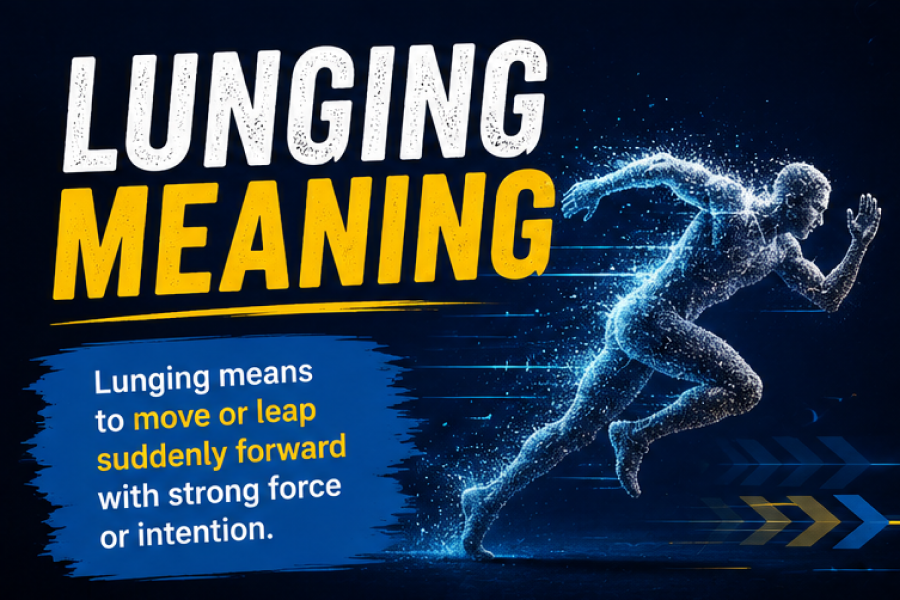
The word lunging shows up in some very different places. A horse trainer uses it. A worried dog owner searches it at midnight. Even a nurse writing a medical report might use it. No wonder so many people look up lunging meaning and end up more confused than before.
At its heart lunging meaning is simple. It describes a sudden forward movement toward something. But depending on where you hear the word it can mean a useful training exercise a warning sign of aggression or a symptom worth telling a doctor about. Let us break down every version one by one so the word never confuses you again.
Lunging A Horse Meaning
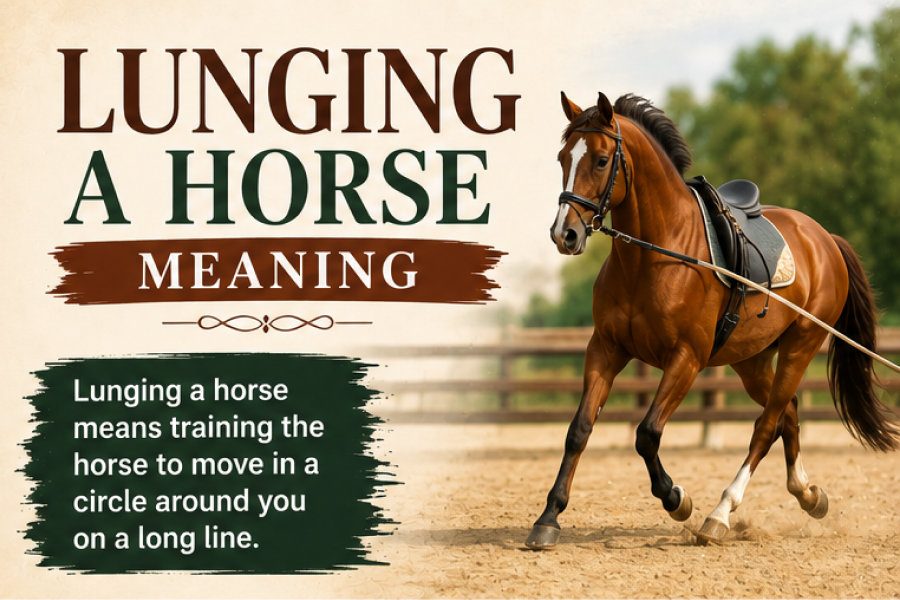
Here is where the word surprises most people. Lunging a horse meaning has nothing to do with attacking or jumping at anything. It is actually one of the oldest and most trusted training methods in the equestrian world.
Picture this. A trainer stands in the middle of a circular pen holding a long rope called a lunge line. The horse moves around them in a big circle. Walking. Trotting. Cantering. All on voice commands while the trainer barely moves from that center spot.
| Lunging Element | Purpose |
| Lunge line | Keeps the horse connected to the trainer |
| Circular movement | Builds balance and rhythm |
| Voice commands | Teaches obedience without riding |
| Regular sessions | Burns energy and builds muscle |
Trainers lunge horses for reasons like:
- Warming up before riding.
- Training young horses safely.
- Checking for injury or lameness.
- Burning extra energy on rest days.
- Building trust between horse and human.
So if someone says they spent the morning lunging their horse relax. Nothing scary happened. It is basically a structured workout session and most horses genuinely enjoy it.
Dog Lunging Meaning
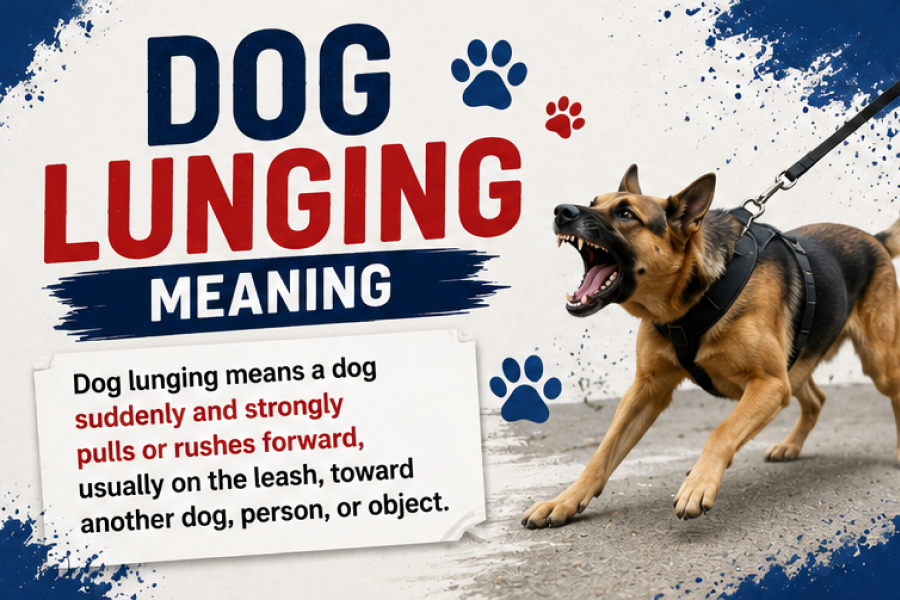
Now the tone changes completely. Dog lunging meaning refers to a dog suddenly pulling or jumping forward toward a person another dog or an object. If you have ever had your arm nearly yanked off during a walk you already know exactly what this looks like.
Here is the part many owners get wrong though. Lunging does not always mean your dog is aggressive. Sometimes it is pure excitement. Sometimes it is fear. The direction is the same but the emotion behind it can be completely different.
| Reason For Lunging | What The Dog Is Feeling |
| Excitement | I want to play with that right now |
| Fear | Stay away from me please |
| Frustration | The leash is stopping me and I hate it |
| Protection | I am guarding my human |
| Prey drive | That squirrel must be chased |
Signs that help you read the situation:
- Loose wiggly body means excitement.
- Stiff body and hard stare means trouble.
- Barking with tail wagging is usually frustration.
- Growling with raised fur is a warning.
The fix depends on the cause. An excited dog needs impulse control training. A fearful dog needs distance and confidence building. If lunging comes with growling or snapping a professional trainer is worth every penny.
Rapid Lunging Darting Movements Meaning
This phrase sounds oddly specific and there is a reason. Rapid lunging darting movements meaning usually comes up in two situations. Animal behavior and medical observation. In animals quick darting lunges often signal high stress prey drive or defensive panic. A cornered cat does it. A frightened bird does it. Even fish dart and lunge when their tank feels unsafe.
The movement says one thing clearly. This creature feels threatened or overstimulated. In humans the phrase appears in medical and caregiving notes. Caregivers sometimes describe sudden lunging or darting movements in people experiencing certain neurological conditions confusion or extreme agitation.
| Context | What It May Signal |
| Cats and small pets | Fear stress or hunting instinct |
| Birds | Panic or territorial defense |
| Fish | Poor water quality or threat response |
| Human medical notes | Agitation or neurological symptoms |
If you notice these movements:
- In pets remove the stress source first.
- Give the animal space and quiet.
- In humans note when it happens and how often.
- Share details with a doctor or vet.
One important note here. This article explains the general lunging meaning in these contexts but sudden unusual movements in a person always deserve a real medical opinion rather than an internet search.
Lunging In Exercise And Everyday Language
There is one more place you hear this word constantly. The gym. A lunge is one of the most popular leg exercises in the world. You step forward bend both knees and push back up. Simple brutal and effective. Everyday language borrows the word too. Someone lunges for the last slice of pizza. A goalkeeper lunges to save a penalty. A shopper lunges at a discount rack. In every case the core idea stays identical. A fast determined move toward a target.
Common everyday uses include:
- He lunged for the falling glass.
- She lunged at the chance to travel.
- The keeper lunged to his left.
- I lunged for my phone before it hit the floor.
Notice how the word always carries urgency. Nobody lunges slowly. That built in speed and intent is what makes the word so expressive and so common across completely different topics.
Read More: Nduja Meaning, What 19 Powerful Italian Facts Revealed
Final Thoughts
So what did we learn about lunging meaning? One small word covers a calm horse training method a leash problem every dog owner dreads a stress signal in animals a medical observation and a killer leg workout. The thread connecting them all is sudden forward movement with purpose.
Next time you hear the word check the context first. A trainer lunging a horse is having a productive morning. A dog lunging on a leash needs some training help. And a person lunging for the last samosa at a party is simply human. Understanding lunging meaning in each situation helps you respond the right way every single time.
FAQs About Lunging Meaning
Q1. What is the basic meaning of Lunge?
It means a sudden forward movement toward a person object or target.
Q2. What does lunging a horse mean?
It is a training method where a horse circles a trainer on a long line.
Q3. Is lunging bad for horses?
No. Done correctly it builds muscle balance and trust safely.
Q4. Why does my dog lunge on walks?
Common causes include excitement fear frustration or prey drive.
Q5. Does dog lunging always mean aggression?
No. Body language tells you whether it is excitement or a real warning.
Q6. What do rapid lunging darting movements mean in animals?
They usually signal stress fear or a strong hunting instinct.
Q7. What is a lunge in exercise?
It is a leg workout where you step forward and bend both knees.
Q8. What makes lunging meaning confusing for people?
The same word describes training behavior movement and exercise in different fields.